Trends in Sustainability: Technological Innovations Changing the Energy Industry
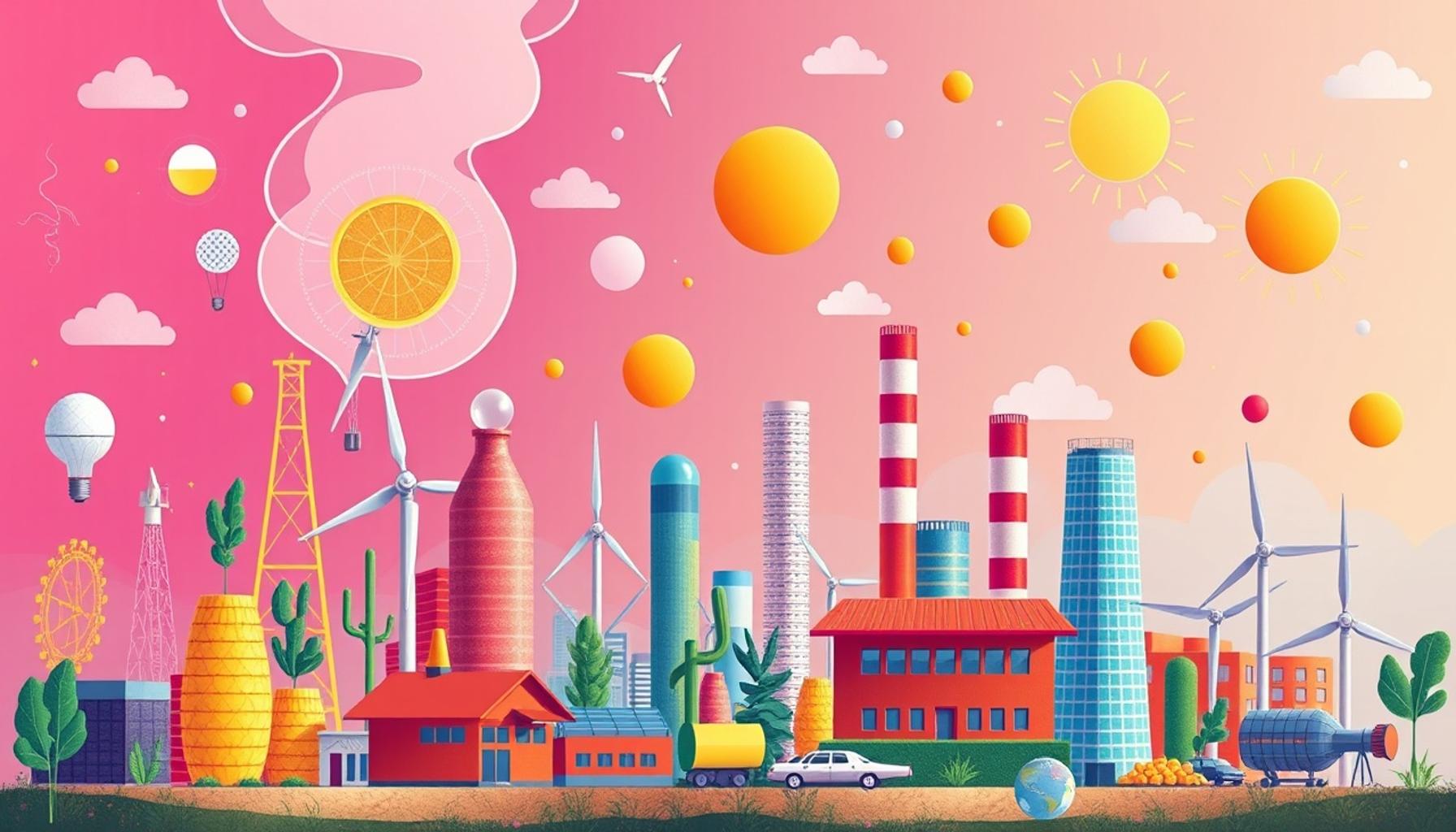
Transforming Energy Through Technology
The intersection of technology and sustainability is an exciting area of innovation that is reshaping the energy landscape across the globe, particularly in the United States. Cutting-edge solutions are not only making energy production cleaner but also more efficient, paving the way for a sustainable energy future. Here are some key developments to watch closely in this evolving sector:
Renewable Energy Sources
The rise of solar and wind technologies is fundamentally transforming how power is generated. According to the U.S. Energy Information Administration, renewables accounted for approximately 20% of total U.S. electricity generation in 2022, with solar and wind energy showing remarkable growth year-on-year. For instance, large-scale solar farms and off-shore wind installations are becoming increasingly common, significantly reducing reliance on fossil fuels. Innovations like solar rooftop panels are also allowing homeowners to generate their own electricity, creating a decentralized and more resilient energy system.
Energy Storage Systems
Advancements in battery technology, especially lithium-ion and solid-state batteries, are crucial for effective energy storage. These systems allow for the capture of excess energy produced during peak sunshine or wind, which can then be released during periods of low production. For example, Tesla’s Powerwall has made it possible for households to store solar energy for nighttime use, reducing the need for grid electricity and providing backup power during outages. This is a significant step toward creating a more reliable and sustainable energy supply.
Smart Grids
Intelligent grid systems are enhancing the efficiency of energy distribution and consumption through real-time data and communication technologies. Smart meters, for instance, provide consumers with detailed information about their energy use, fostering greater awareness and encouraging energy-saving behaviors. Moreover, smart grids can efficiently balance load demand, reducing the risk of blackouts and improving overall system resilience. Cities like San Diego are leading the way in implementing smart grid technology to optimize energy use and reduce carbon emissions.
Electric Vehicles (EVs)
The expansion of electric vehicle technology is another promising development in reducing reliance on fossil fuels. States like California are actively promoting the adoption of EVs through incentives and extensive charging infrastructure. As more drivers opt for electric vehicles, the emissions from transportation—one of the largest sources of carbon emissions—are decreasing, leading to improved air quality in urban areas. Companies like Tesla and GM are at the forefront of this movement, producing EVs that not only appeal to eco-conscious consumers but also offer high performance and state-of-the-art technology.
These innovations address pressing environmental concerns while also driving economic growth. By improving energy efficiency, businesses can lower their operational costs and eventually pass those savings on to consumers. Furthermore, government policies are increasingly supporting sustainable practices through tax incentives, funding, and grants, making it easier for businesses and individuals to invest in green technologies.
As we navigate this transition towards sustainability, it’s essential for both individuals and organizations to understand these trends and embrace the change. By making informed decisions, we can all contribute to a more sustainable future. This awareness is crucial not only for environmental enthusiasts but also for anyone interested in how these technological advancements will impact daily life in the years to come.
DISCOVER MORE: Click here to learn about the importance of expense tracking
Key Innovations Shaping the Energy Sector
The technological innovations currently transforming the energy sector are multifaceted, each bringing unique advancements that address the ongoing challenges of sustainability and carbon emissions. A few pivotal trends stand out in the journey toward greener energy solutions, particularly in how traditional systems operate and how consumers interact with energy consumption. Understanding these trends is vital for anyone interested in the future of energy.
Decentralized Energy Production
One of the most significant trends is the shift toward decentralized energy production. By utilizing localized energy generation sources like rooftop solar panels and small wind turbines, communities can take control of their energy needs. This not only reduces transmission losses associated with centralized power plants but also empowers individuals and groups to contribute to their energy sustainability.
- Community Solar Projects: These initiatives allow multiple households to share a single solar array, making renewable energy more accessible for those who cannot install panels on their own properties.
- Microgrids: Small-scale grids that operate independently or in conjunction with the main grid. They can provide energy security during grid outages and support local renewable energy sources.
Artificial Intelligence in Energy Management
Artificial intelligence (AI) is becoming increasingly relevant in optimizing energy consumption. Smart algorithms analyze data from various sources to predict energy usage patterns, allowing utilities to adjust supply and manage demand more effectively. For instance, AI can optimize heating and cooling systems in large buildings, drastically reducing energy consumption and operational costs. Companies such as Google have implemented AI technologies in their data centers, leading to energy savings of up to 40%.
Carbon Capture and Storage (CCS)
Carbon capture and storage technology is also gaining traction as an innovative solution to reduce greenhouse gas emissions from fossil fuel use. CCS involves the capture of carbon dioxide (CO2) emissions at the source, followed by the transportation and burial of that CO2 deep underground. This process not only helps keep carbon out of the atmosphere but also can be integrated into existing power plants, providing a retrofitting option for aging facilities. Companies are investing heavily in research and development to make this technology more efficient and economical.
These innovations serve as critical components of a broader strategy to combat climate change while promoting economic development. By investing in decentralized systems, AI capabilities, and carbon management technologies, society can take significant steps toward reducing environmental footprints. The energy sector is poised for a transition where sustainability and technological advancement go hand in hand, paving the way for a cleaner future.
DIVE DEEPER: Click here to learn more
Emerging Technologies Revolutionizing Energy Consumption
While decentralized production and AI are shaping the approach to energy management, another wave of technological innovations is redefining how energy is consumed and managed at individual and organizational levels. These emerging technologies not only enhance efficiency but also foster greater sustainability within the energy sector.
Smart Grids and IoT Integration
Smart grids represent a technology-driven evolution of the traditional power grid. By integrating Internet of Things (IoT) devices, smart grids allow for two-way communication between utilities and consumers. This enables real-time monitoring of energy usage and promotes more efficient energy distribution. For instance, a smart grid can automatically adjust the energy supply based on real-time demand, ensuring that energy is utilized more efficiently and reducing the likelihood of outages.
- Smart Meters: These devices empower consumers by providing detailed information about their energy consumption patterns. With this data, individuals and businesses can make informed decisions about their energy use, potentially leading to energy savings of up to 20%.
- Demand Response Programs: These programs incentivize consumers to reduce or shift their energy use during peak demand periods. Through smart devices connected to the grid, utilities can send alerts to users who can then adjust their energy consumption accordingly.
Battery Storage Advancements
As reliance on renewable sources like wind and solar continues to grow, energy storage technology plays a critical role in stabilizing energy supply. Modern battery storage solutions, such as lithium-ion batteries, have made significant strides in efficiency, cost, and lifespan. For example, Tesla’s Powerwall allows homeowners to store energy generated from solar panels for use during non-sunny periods, effectively maximizing the advantages of renewable energy.
Moreover, large-scale battery installations, like those used in utility-scale solar farms, can store excess energy generated during peak sunlight hours, releasing it back into the grid when demand increases. This capability not only enhances the reliability of renewable energy sources but also reduces dependence on fossil fuel-powered plants.
Electric Vehicles (EVs) and Vehicle-to-Grid Technology
The rise of electric vehicles is another significant trend contributing to sustainability in the energy sector. EVs can be charged during off-peak times, allowing for better grid management and energy efficiency. Furthermore, the development of Vehicle-to-Grid (V2G) technology allows electric vehicles to return stored energy back to the grid, acting as a temporary energy reserve. This is particularly useful during peak demand hours or emergencies, promoting resilience in energy supply and helping to mitigate the impact of fluctuations in energy availability.
Some cities are now exploring the implementation of V2G technology as part of their energy strategies, demonstrating how transportation and energy sectors can converge to create a more sustainable future. The incentives for EV adoption, combined with advancements in charging infrastructure, are expected to drive further growth in this area, potentially transforming the energy landscape significantly.
These innovative technologies highlight a broader paradigm shift toward a more interconnected, efficient, and sustainable energy system. By leveraging smart grids, advanced battery storage, and electric vehicles, the energy sector can not only meet current demands but also prepare for a cleaner, greener future ahead.
LEARN MORE: Click here to discover the benefits of alternative investments
Conclusion
As we navigate the evolving landscape of the energy industry, it becomes clear that technological innovations are at the forefront of driving sustainability. From the implementation of smart grids that facilitate real-time energy management to the advancements in battery storage that optimize renewable energy consumption, technology is reshaping how we generate, distribute, and utilize energy.
Moreover, the integration of electric vehicles and the emergence of Vehicle-to-Grid technology present unique opportunities for consumers to engage in energy ecosystems actively. These innovations enable individuals and organizations to not only lower their carbon footprints but also to contribute to a more resilient and efficient energy grid. The collaborative relationship between technology and sustainability will not only empower consumers but also encourage businesses to innovate towards greener practices.
As we look ahead, it is essential to acknowledge that achieving sustainability in the energy sector requires commitment from all stakeholders, including policymakers, businesses, and consumers. Embracing these trends in sustainability will drive investment, catalyze further innovations, and lead us toward a future where clean energy is accessible and affordable for everyone. With technology as our ally, we have the potential to transform the energy sector into a more sustainable and eco-friendly industry, ensuring a healthier planet for future generations.

Linda Carter
Linda Carter is a writer and expert known for producing clear, engaging, and easy-to-understand content. With solid experience guiding people in achieving their goals, she shares valuable insights and practical guidance. Her mission is to support readers in making informed choices and achieving significant progress.