
Augmented and Virtual Reality: Impacts on Consumption and Entertainment Experiences in the United States
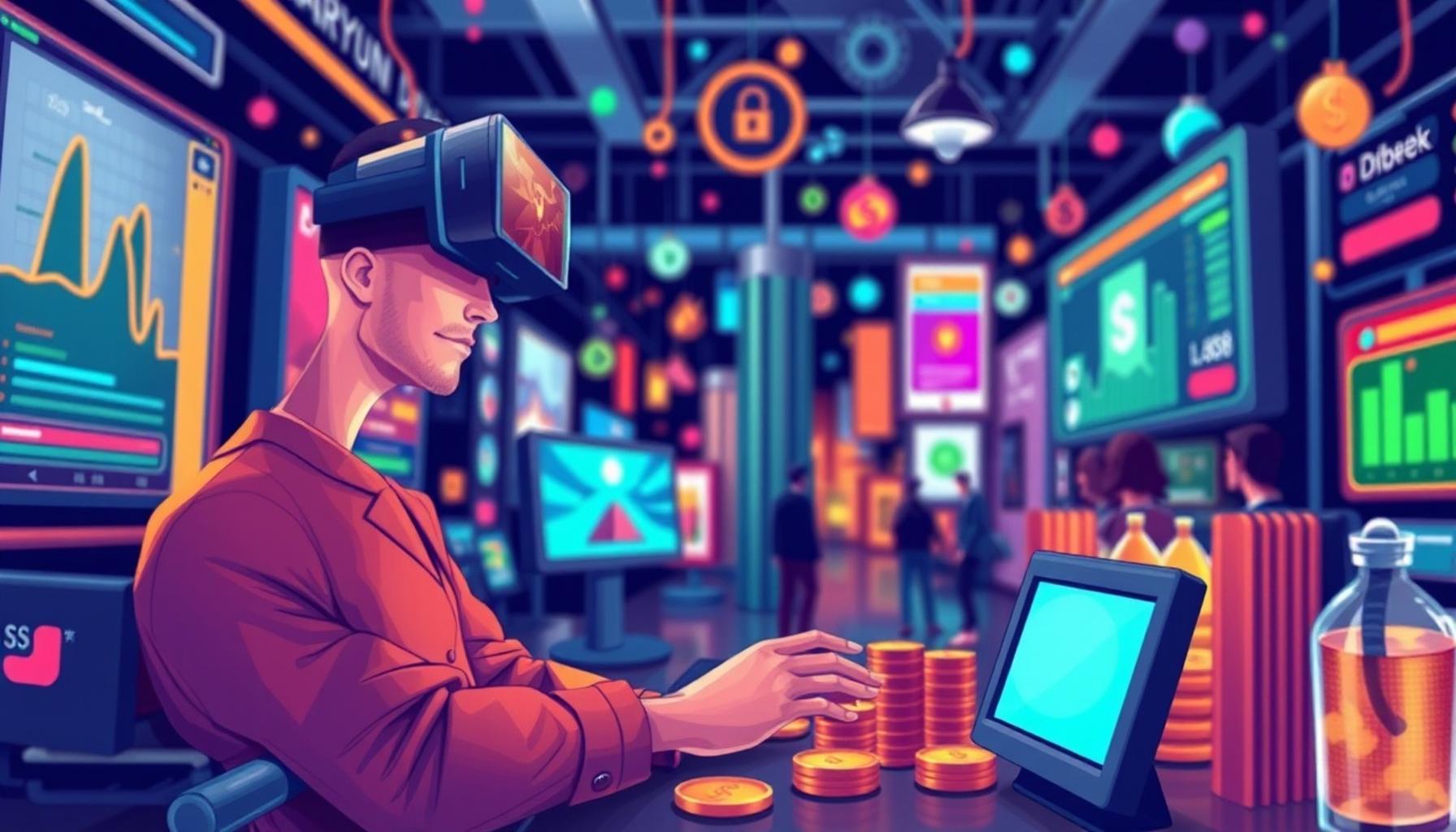
The Transformative Impact of AR and VR
As we explore the intersection of technology and daily life in the United States, it becomes increasingly clear that Augmented Reality (AR) and Virtual Reality (VR) are at the forefront of this transformation. These technologies provide us with immersive experiences that transcend traditional media, allowing users to engage with content in new, innovative ways.
Enhanced Gaming Experiences
One of the most significant impacts of AR and VR is seen in the gaming sector. With VR headsets like the Oculus Rift and PlayStation VR, players can enter fantastical worlds and interact with them as if they were really there. For example, in games like “Beat Saber,” players wield lightsabers to slice through musical blocks in a dynamic and immersive environment. In contrast, AR games like “Pokémon GO” overlay digital creatures onto the real world, encouraging players to explore their surroundings in search of virtual friends. This blurring of physical and digital spaces has not only transformed gaming but has also fostered social interactions among players, as they often team up to achieve common goals.
Virtual Concerts and Events
The emergence of VR technology has revolutionized the way we experience live events. Instead of traveling to a venue, fans can now attend virtual concerts from their living rooms. Platforms like Oculus Venues have hosted live performances where users can enjoy a front-row experience, complete with interactive elements such as socializing with other fans or even purchasing virtual merchandise. For instance, Travis Scott’s virtual concert in “Fortnite” garnered over 12 million viewers, illustrating the immense potential of VR to engage audiences and create memorable experiences that transcend physical limitations. Such events democratize access, enabling those who may not have the means or ability to travel to participate fully in the entertainment offered by their favorite artists.
Retail Experiences
In the retail space, AR is changing the way consumers interact with products. Retailers like IKEA have developed AR applications that allow customers to visualize how furniture fits into their homes before making a purchase. Users can point their smartphones at empty spaces in their homes, and the app overlays a 3D representation of a couch or table, enabling them to assess scale, color, and style in real-time. This interactive shopping experience not only increases customer satisfaction but also reduces return rates, as buyers can make more informed decisions based on their virtual experiences.
Furthermore, the growing accessibility of these technologies is attracting a diverse range of users, including children, teenagers, and adults, significantly expanding market reach. As AR and VR technologies continue to evolve, they are redefining consumer behavior, paving the way for exciting innovations in content consumption and entertainment.
The ongoing integration of AR and VR into various facets of daily life in the United States is just the beginning. These immersive technologies are set to further reshape our interactions with the digital world, enhancing our experiences and creating new opportunities for engagement and connectivity in the years to come.
LEARN MORE: Click here for insights on budgeting sustainably</
Innovative Interactive Experiences
Beyond gaming and concerts, augmented reality (AR) and virtual reality (VR) are significantly influencing various sectors, reshaping how consumers engage with products and entertainment. These innovative technologies offer unique, immersive experiences that cater to evolving consumer expectations and behaviors. Understanding these impacts can help both individuals and businesses navigate the changing landscape of consumption in the United States.
The Evolution of Media Consumption
The way we consume media has dramatically changed thanks to AR and VR technologies. In traditional media, passive consumption was the norm, where viewers would simply sit back and absorb content. However, AR and VR have shifted this paradigm, allowing users to become active participants in their experiences.
For instance, VR documentaries transport viewers to various environments, such as the depths of the ocean or outer space, offering a sense of presence and engagement that traditional documentaries cannot match. Such immersive storytelling techniques enhance emotional connections and help audiences grasp complex subjects in a visceral way. A great example is the VR experience “The Last Goodbye,” which gives users the chance to walk through the experiences of Holocaust survivors, creating an impactful educational tool.
Similarly, AR solutions enable richer content interaction. Brands are increasingly using AR to overlay digital information onto real-world environments. For example, news outlets can incorporate AR graphics into live broadcasts, enabling viewers to visualize data and statistics as stories unfold. This combination of digital and physical information enriches the viewer’s understanding and engagement with current events.
Personalized Marketing Approaches
With the rise of AR and VR, personalized marketing is also taking on new dimensions. Companies can tailor their advertising strategies to create customized experiences based on user preferences. Here are some notable ways AR and VR are used in marketing:
- Virtual Try-Ons: Cosmetic companies like L’Oréal and eyewear brands like Warby Parker allow consumers to virtually try on products using AR filters before making a purchase, enhancing confidence and satisfaction.
- Immersive Brand Storytelling: Brands like Nike have launched VR experiences that let users dive deeper into their brand stories, often created in collaboration with popular athletes, subtly promoting products while emphasizing a lifestyle connection.
- Interactive Ads: Advertising campaigns are adopting AR technology to engage users in unique ways. For example, Coca-Cola released an AR-enabled can that users could scan for dynamic experiences and integrated promotions.
These personalized approaches not only improve customer engagement but also yield valuable data that businesses can utilize to refine their strategies further. By implementing AR and VR, companies in the United States are revolutionizing how they connect with consumers and deliver memorable experiences.
As we delve deeper into the impacts of AR and VR on consumption and entertainment, it becomes evident that these technologies are not merely trends but integral elements reshaping consumer experiences in significant ways. The potential for increased interaction, engagement, and personalization will undoubtedly continue to evolve as technology advances.
DISCOVER: Click here to dive into the latest in green technology
Transforming Retail Environments
As AR and VR technologies continue to evolve, their impact on retail environments is becoming increasingly apparent. These technologies not only enhance the shopping experience but also create innovative opportunities for brands to engage consumers in ways that were previously unimaginable. The integration of AR and VR within retail settings serves to redefine how consumers shop and interact with products.
Virtual Showrooms and Stores
One of the most prominent applications of AR and VR in retail is the creation of virtual showrooms and stores. This approach allows consumers to browse products in a fully immersive digital environment without the need to visit a physical location. For instance, retailers like IKEA have launched AR applications that enable users to visualize how furniture and home decor items would look in their own homes. Customers can simply point their smartphones at a space in their home, and the app overlays realistic images of products, helping them make informed decisions before purchasing.
Additionally, some companies have developed entirely virtual storefronts where consumers can navigate through a digital shopping experience. Brands like Nordstrom and Burberry have embraced VR to offer virtual shopping tours that simulate being inside their flagship stores, complete with interactive displays and personalized assistance. This not only broadens access for customers, especially those in remote areas, but also enriches the overall shopping journey.
Enhancing In-Store Experiences
In physical retail environments, AR is enhancing customer experiences in real-time. For example, retailers have begun utilizing AR applications that allow shoppers to scan products using their mobile devices to receive instant information, including pricing, nutritional facts, and user reviews. This technology fosters a sense of empowerment and drives informed decision-making at the point of sale.
Moreover, AR experiences in stores can create a more interactive atmosphere. Some brands have employed AR features that enable consumers to unlock exclusive content or promotions by scanning products or store displays. This gamification of the shopping experience taps into consumers’ desire for engagement, making it more likely that they will explore and purchase products.
Impact on Customer Loyalty and Brand Perception
The integration of AR and VR in retail not only enhances shopping experiences but also has significant implications for customer loyalty and brand perception. By offering unique, interactive experiences, brands are solidifying emotional connections with consumers. Engaging customers in a meaningful way increases the likelihood of repeat visits and stronger loyalty.
For example, companies like Sephora leverage AR technologies to create virtual beauty consultants that guide users in selecting makeup shades tailored to their complexion. This personalized attention not only leads to higher satisfaction levels but also fosters trust and loyalty towards the brand.
As retail businesses in the United States continue to adopt AR and VR technologies, the impact on consumer behavior will likely be profound. These advancements are not just about keeping pace with emerging trends; they represent a fundamental shift in how brands relate to their customers, ultimately redefining the landscape of retail consumption.
DISCOVER MORE: Click here for easy application tips
Conclusion
As we navigate the evolving landscape of consumption and entertainment in the United States, augmented reality (AR) and virtual reality (VR) are emerging as transformative forces. These technologies not only reshape the way consumers shop and interact with brands but also enhance entertainment experiences in captivating and engaging ways. From virtual showrooms that allow users to visualize furniture in their homes to immersive gaming worlds that invite players to step into new realities, AR and VR create opportunities for brands to build deeper connections with their consumers.
The integration of AR and VR into retail environments is changing the framework of shopping. It empowers consumers to make informed decisions, fosters brand loyalty, and enhances customer satisfaction through personalized experiences. The gamification of shopping and interactive in-store applications keep customers engaged, making the retail experience not only about transaction but also about interaction. Retailers are not just selling products; they are offering experiences that resonate on emotional levels.
In the realm of entertainment, AR and VR technologies are redefining how audiences consume content, from VR concerts that immerse fans in the performance to AR storytelling that transforms everyday environments. As these technologies become more widely adopted, we can expect the lines between physical and digital experiences to blur even further, leading to innovative ways for consumers to engage with media and brands alike.
In conclusion, the potential impacts of AR and VR on consumption and entertainment are vast and multifaceted. As these technologies continue to evolve and become more accessible, they hold the promise of enriching our interactions with the world around us, making them vital components of not just commercial strategies but everyday life in the United States.

Linda Carter
Linda Carter is a writer and expert known for producing clear, engaging, and easy-to-understand content. With solid experience guiding people in achieving their goals, she shares valuable insights and practical guidance. Her mission is to support readers in making informed choices and achieving significant progress.