The Importance of Gutters in Rainwater Management: Preventing Erosion Problems
The Importance of Rainwater Management Systems
Rainfall, while vital for replenishing aquifers and supporting agriculture, poses significant challenges, especially in regions like Nigeria that experience substantial monsoon-like seasons. With advancing climate change, managing rainwater effectively has transitioned from a mere necessity to an urgent imperative. The consequences of ignoring this need can be devastating: structural damage, soil erosion, and even loss of life.
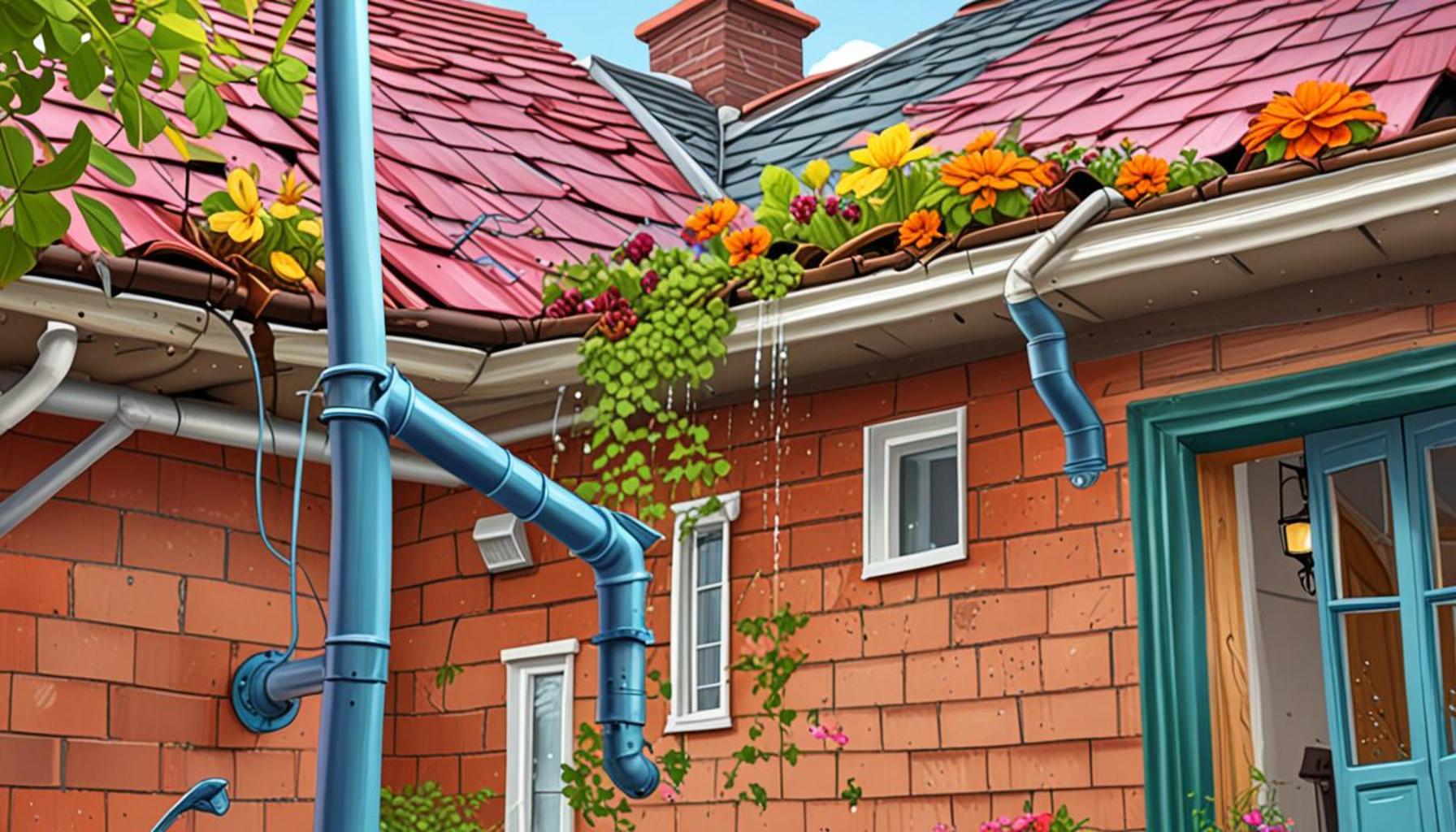
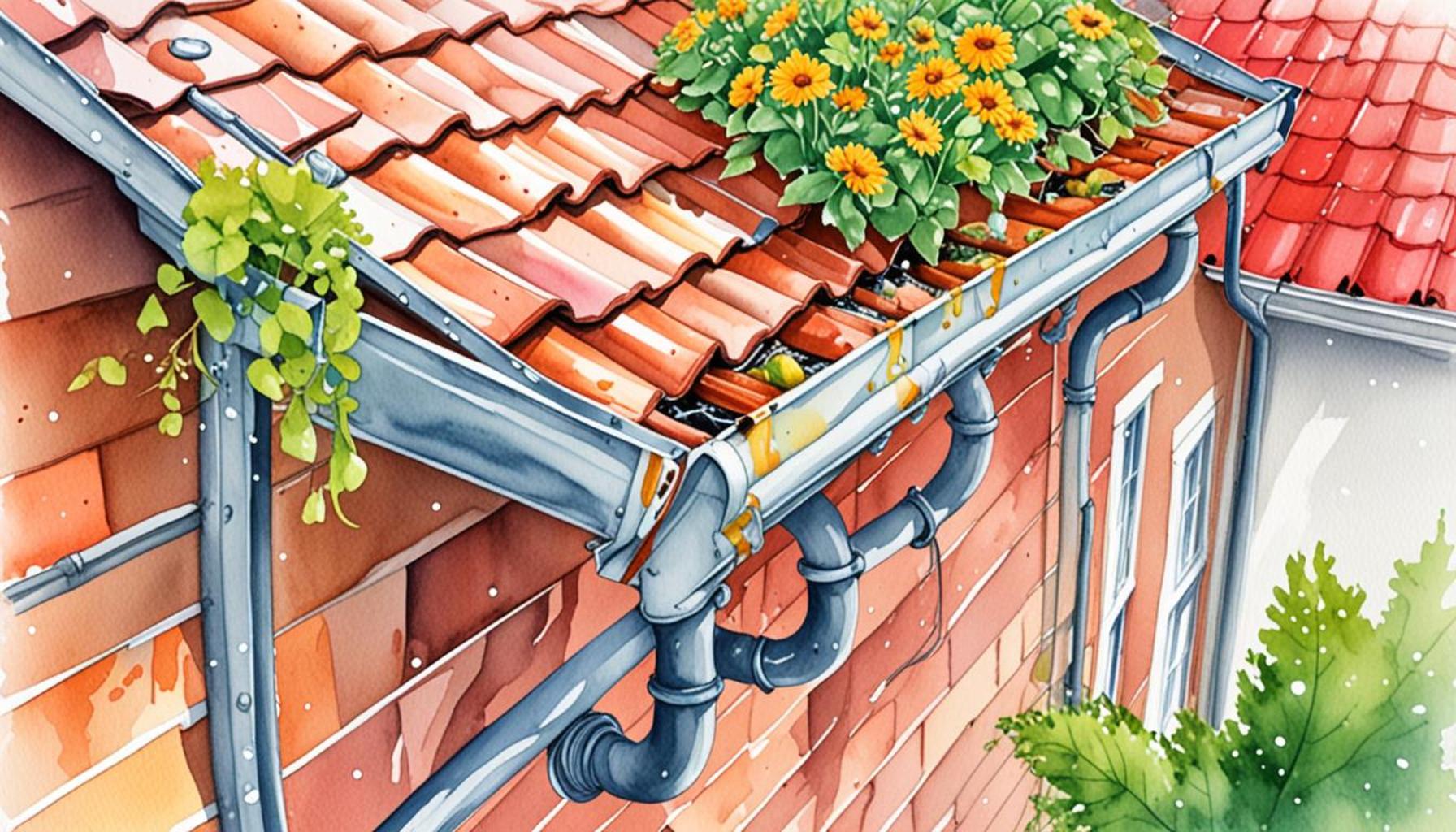
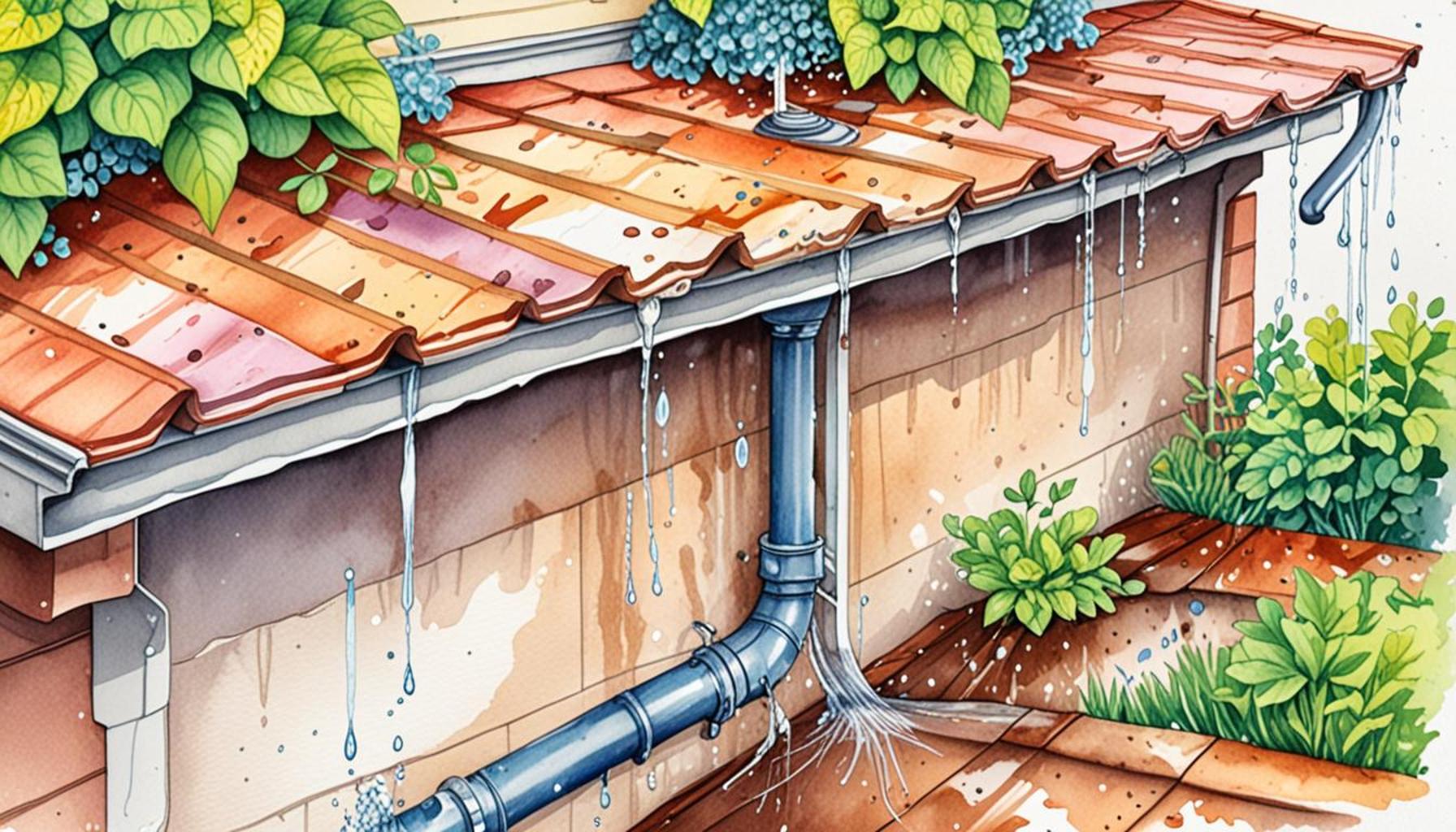
One crucial but sometimes neglected aspect of effective rainwater management is the gutter system. Gutters serve as the first line of defense in safeguarding buildings and the surrounding environment from excessive rain. They play a pivotal role in:
- Diverting water away from the foundation of buildings: This is essential to prevent water from pooling around the base, which can lead to cracks and structural instability.
- Preventing soil erosion: Without gutters, rainwater can cascade off rooftops and onto the soil, creating rills and gullies that strip away valuable topsoil.
- Reducing the risk of flooding: A well-designed gutter system can channel water to designated drainage areas, minimizing the risk of surface flooding that can inundate roads and homes.
When gutters function effectively, they ensure that rainwater is directed safely away from vulnerable areas. For instance, in rural communities where farmlands lie adjacent to homes, the absence of a robust gutter system can lead to severe erosion, affecting crop yields and even compromising the land’s usability for future planting seasons. In contrast, a well-installed gutter can help manage runoff, protecting agricultural investments.
Particularly in Nigeria, where the rainy season can be particularly intense, investing in quality gutter systems becomes crucial. These investments can provide several benefits:
- Preserving the integrity of your home: Regular maintenance of gutters protects against water damage that could lead to costly repairs down the line.
- Safeguarding agricultural lands: Efficient drainage promotes healthier crops by preventing waterlogging and nutrient loss.
- Enhancing overall environmental quality: Well-managed rainwater runoff can help maintain local ecosystems by reducing the sedimentation of rivers and streams.
In addition, homeowners and local governments can collaborate on community-wide initiatives to improve rainwater management. Understanding the intricate relationship between rainfall, gutters, and land preservation is vital for everyone—from individual homeowners to municipal planners. As we delve deeper into this subject, we will explore practical strategies for gutter maintenance, innovative designs that can withstand heavy rainfall, and how communities can come together to create sustainable solutions for rainwater management.
ADDITIONAL INSIGHTS: Expand your understanding here
Understanding the Role of Gutters in Erosion Control
The significance of a robust gutter system cannot be overstated, especially in regions like Nigeria, where heavy rains can lead to rapid runoff and severe soil erosion. Once rainwater falls onto rooftops, gutters are tasked with the essential job of directing this water away from the structure and onto safe drainage paths. Without an efficient gutter system, rainfall can unleash a cascade of water that wreaks havoc on both buildings and the environment.
One of the most pressing issues with inadequate gutter systems is erosion. Soil erosion occurs when rainwater, instead of being funneled away, pours directly onto the ground, stripping away the topsoil that is rich in nutrients. This not only diminishes the land’s agricultural potential but can also create hazardous conditions around homes. Poorly managed rainwater runoff can form channels, or gullies, that radically reshape the landscape, leading to loss of land and increased vulnerability to flooding.
Consider the common scenario of a typical home in a Lagos neighborhood. During the peak rainy season, heavy downpours can cause significant runoff. Without well-maintained gutters to guide the water, it collects around the foundation and spills onto nearby gardens or farmland. This situation can result in:
- Loss of topsoil: The essential layer of soil that supports crop growth can wash away, making future planting difficult.
- Foundation damage: Water accumulated around a house can seep into the foundation, causing cracks and requiring expensive repairs.
- Increased flooding risk: Excessive surface water can overwhelm drainage systems, leading to localised flooding that disrupts daily life.
The prevention of soil erosion is crucial for several reasons. Maintaining soil integrity is not just an agricultural concern; it affects the entire ecosystem. Erosion not only reduces agricultural productivity but can also lead to sedimentation in rivers and streams, degrading the quality of water supplies. In urban areas, failing to manage rainwater can contribute to flooding and other infrastructure problems, increasing the cost of maintenance and repairs for local governments.
Moreover, the economic implications of soil erosion and poorly managed rainwater are staggering. In agricultural contexts, the loss of productive land translates directly to diminished food security. In cities, the costs associated with repairing infrastructure can drain public resources that could be better spent on education or healthcare. Therefore, embracing comprehensive rainwater management strategies, such as investing in quality gutter systems, is vital to preventing these problems.
In summary, effective gutter systems serve as a first line of defense against the erosive forces of rainwater. They protect not only our homes and infrastructure but also ensure the sustainability of our farmlands and the health of our ecosystems. As we continue to explore this topic, it becomes essential to delve deeper into practical maintenance strategies, innovative designs that stand up to heavy rains, and the collaboration needed between community members for a unified approach to rainwater management.
| Aspect | Details |
|---|---|
| Water Management | Proper gutters redirect rainwater away from foundations, minimizing flood risks. |
| Erosion Control | Gutters help prevent soil loss by controlling water flow, protecting landscaping. |
In the realm of effective rainwater management, gutters play an indispensable role. They not only redirect rainwater but also serve as a frontline defense against potential erosion problems. When it rains, every drop has the potential to cause significant erosion if it is not managed correctly. The primary advantage of having a well-maintained gutter system is its ability to channel water safely away from your home and foundation, ultimately minimizing the risk of flooding. This prevents the accumulation of water that can destabilize soil around your property.Additionally, by controlling water flow, gutters effectively protect your landscaping from washouts. Without this protection, rainwater can create rivulets that strip topsoil and harm plant roots. Using gutters not only conserves soil but fosters healthy vegetation and gardens. It is crucial for homeowners to consider the installation and maintenance of gutters as part of their broader strategy in rainwater management to protect against erosion and its associated damages.
RECOMMENDED: Check out this similar article
Practical Strategies for Effective Gutter Systems
To maximize the benefits of a gutter system in rainwater management and erosion prevention, it is essential to adopt practical strategies that address both installation and maintenance. Understanding the right materials, slope, and location can make all the difference in ensuring your gutters perform optimally, especially in the face of heavy rainfall characteristic of Nigeria’s tropical climate.
Choosing the right materials for gutters is fundamental. While options like aluminium, vinyl, and galvanized steel exist, the choice should be driven by factors such as durability, resistance to corrosion, and local weather conditions. For instance, in coastal areas where salt corrosion is a concern, aluminium gutters might be more effective than steel. Moreover, selecting a quality product that has been appropriately treated for adverse weather will ensure longevity and reliability.
Proper installation is another critical element. Gutters must be installed with an adequate slope, typically about 1 inch for every 10 feet, to enable effective water flow towards the downspouts. Neglecting this aspect can lead to water pooling in areas, which can ultimately result in overflow and erosion. Furthermore, positioning downspouts at strategic points—away from the foundation and directed to a stable drainage area—can mitigate the risk of localized flooding.
Regular maintenance plays an equally vital role in sustaining an effective gutter system. In a country like Nigeria, where dust and debris can accumulate rapidly, it is important to clean gutters at least twice a year, preferably before and after the wet season. Clogged gutters can lead to overflow, which directly contributes to water erosion. Additionally, installing gutter guards can reduce the need for frequent cleaning by preventing the buildup of leaves and debris.
Engaging local communities in the maintenance of gutter systems can also promote a shared responsibility towards erosion control. Community awareness campaigns highlighting the importance of functional gutters in preventing erosion can galvanize residents to take action. For instance, neighborhood clean-up initiatives can ensure gutters are clear, while workshops can educate homeowners on DIY maintenance practices.
- Community engagement: Encouraging communal participation not only fosters teamwork but also instills a sense of ownership over local infrastructure.
- Cost-effective solutions: Collaborating with local craftsmen to design and build effective gutter systems can provide long-lasting solutions tailored to specific community needs.
- Support from local governments: Advocating for programs that provide funds for gutter installations in vulnerable areas can further enhance community resilience to flooding and erosion.
As rainfall becomes increasingly unpredictable due to climate change, adopting resilient gutter designs and preventive measures becomes more urgent. Research demonstrates that regions with well-maintained gutter systems report significantly lower instances of flooding and erosion-related damages. Consequently, investing in proper gutter systems is not merely a choice but a necessity for safeguarding homes and preserving the integrity of the surrounding environment.
Tackling drainage challenges through effective gutter management can enhance both individual property value and community well-being. By prioritizing proactive erosion management, Nigeria can take proactive strides towards sustainable environmental practices, ensuring both current and future generations benefit from preserved agricultural lands and robust infrastructures.
ADDITIONAL INSIGHTS: Expand your understanding here
Conclusion
In conclusion, the significance of gutters in rainwater management cannot be overstated. As Nigeria grapples with the dual challenges of increasing rainfall and soil erosion, effective gutter systems emerge as a critical component in safeguarding both homes and the environment. By ensuring that water flows efficiently away from properties, gutters help prevent erosion, protect foundations, and reduce repair costs associated with water damage.
Furthermore, the discussion around the implementation of community-driven gutter maintenance initiatives highlights a collaborative approach to tackling erosion. Engaging local residents not only shares the responsibility but also fosters a communal sense of ownership. Initiatives targeting education about gutter systems, along with strategies for effective installation and maintenance, can lead to lasting solutions tailored to our unique environmental challenges.
As we embrace sustainable practices for the future, it is essential to recognize that investing in durable and well-maintained gutter systems is crucial for resilience against flooding and erosion. The integration of modern techniques, combined with traditional knowledge, can pave the way for innovative solutions that meet the needs of our communities. This proactive stance not only protects our homes but also contributes to the preservation of agricultural lands and enhances local ecosystems.
Ultimately, understanding and emphasizing the importance of gutters will empower communities to take meaningful action against erosion, ensuring that both current and future generations can thrive in a safe and sustainable environment. As we navigate the complexities posed by climate change, a renewed focus on effective rainwater management strategies will be indispensable in our pursuit of a resilient Nigeria.