
The Role of Fiscal Policies in Increasing Wealth for the Middle and Upper Classes in the USA
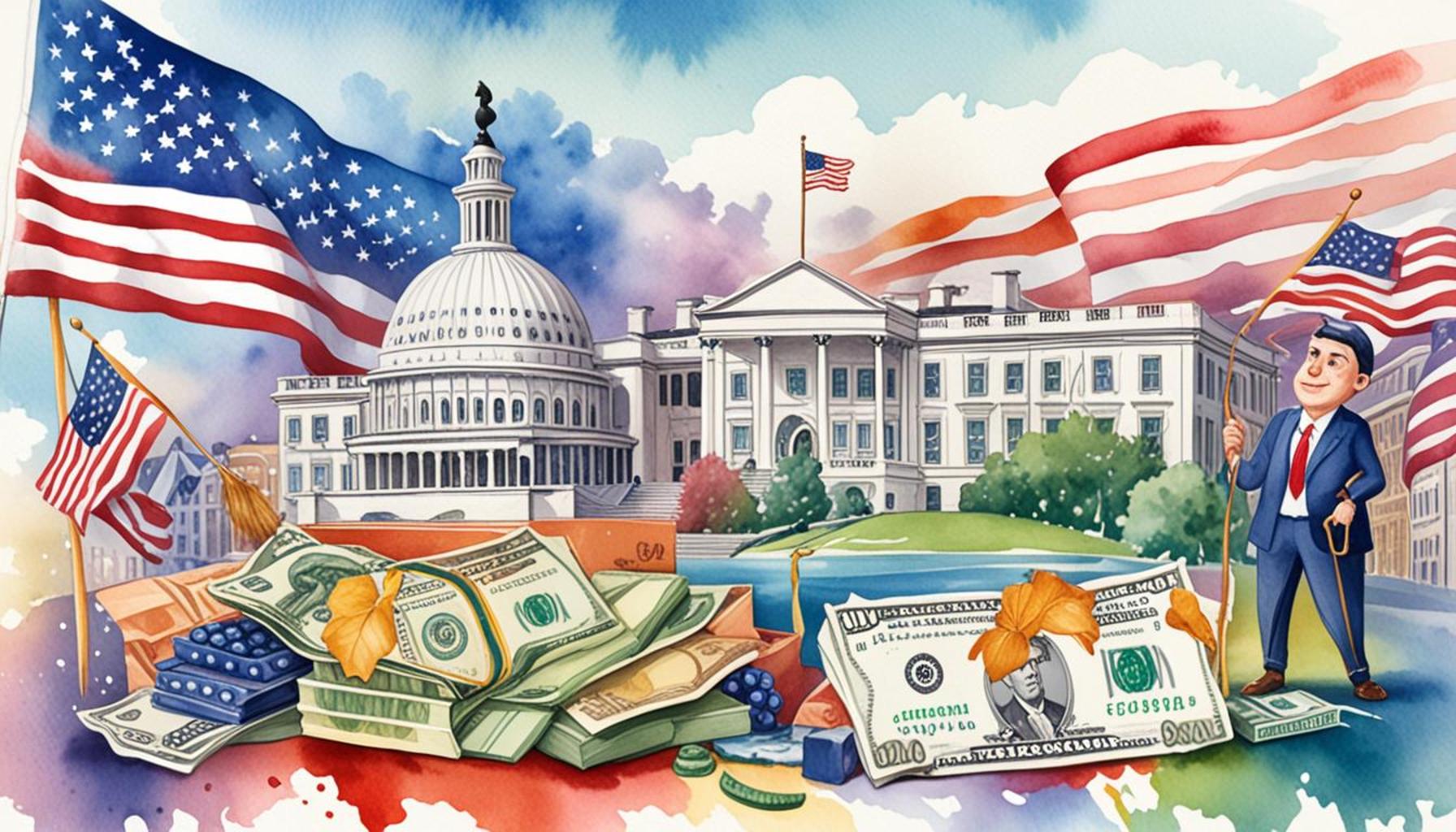
The Role of Fiscal Policy in Shaping Economic Outcomes
Fiscal policies play a critical role in influencing the economic landscape of a nation, demonstrating profound effects on growth and the distribution of wealth among its citizens. Particularly in the United States, these policies not only serve as a guide for government operations but also establish the framework within which individuals and businesses navigate financial decisions. An understanding of various fiscal measures is essential to comprehend how they can foster thriving conditions for wealth generation, especially for the middle and upper classes.
Understanding Taxation
At the heart of fiscal policy lies taxation, where modifications to tax rates can significantly impact the disposable income of individuals and households. For instance, during the 2017 Tax Cuts and Jobs Act, the reduction of corporate tax rates aimed to stimulate company investments and, as a ripple effect, enhance job creation. This tax reform was geared toward keeping more capital in the hands of businesses and consumers, thus increasing their spending capacity. As taxes decrease, families often find themselves with more disposable income, facilitating purchases such as homes, vehicles, or education—all of which contribute to economic growth.
The Impact of Government Spending
Another essential aspect of fiscal policy is government spending. Allocation of funds can vary widely, from infrastructure projects to public services like education and healthcare. For example, investments in infrastructure not only create jobs during the construction phase but also yield long-term benefits by improving transportation networks and boosting local economies. Consider the 2009 American Recovery and Reinvestment Act that aimed to counteract the effects of the Great Recession; it emphasized funding for schools and highways, which ultimately energized economic activity and created job opportunities across various sectors.
Stimulating Growth through Subsidies
The provision of subsidies also plays a crucial role in the fiscal landscape, particularly for industries considered vital for economic health, such as renewable energy or agriculture. Federal subsidies aimed at the renewable energy sector, for example, have not only promoted sustainable practices but have also catalyzed job creation in a rapidly evolving industry. As these sectors grow, they generate additional wealth and job security, translating to greater financial stability for many households.
Fostering a Prosperous Economy
When fiscal policies are effectively structured and implemented, they lead to several favorable outcomes. This includes increased investment in businesses, where firms are more likely to expand and innovate, stimulated by a conducive tax environment and supportive government spending. Additionally, there is enhanced consumer spending; as people feel more financially secure, they are able to spend on goods and services, which in turn fuels further economic growth. Finally, these policies ensure greater access to financial resources, allowing individuals to benefit from improved credit availability and financial services.
This intricate interplay of taxation, government spending, and subsidies creates a robust economic environment that promotes prosperity for the middle and upper classes. As such, it is essential for citizens to comprehend the implications of fiscal policies, not merely as abstract governmental measures but as vital elements that can optimize their financial outcomes. By participating in discussions regarding fiscal strategies, Americans can advocate for policies that contribute to a fairer and more prosperous economic system.
DISCOVER MORE: Click here to learn about the latest trends in cleaning supplies
Mechanisms of Wealth Creation through Fiscal Policies
The intricate relationship between fiscal policies and wealth creation for the middle and upper classes in the United States cannot be overstated. A combination of targeted taxation, strategic government spending, and intentional subsidies forms a powerhouse for economic growth aimed at enhancing financial prospects for individuals and families in these demographics. Understanding how these mechanisms interweave is essential for navigating the complex economic landscape.
Taxation: A Tool for Economic Empowerment
Tax policy is often the most visible aspect of fiscal policy and one of the most significant tools wielded by government entities to influence wealth distribution. When taxes are reduced, particularly for the middle and upper classes, there is a noticeable shift in financial dynamics. Take, for example, the recent revisions in the tax code post-2017, which provided extensive benefits in the form of lower rates for higher income brackets and corporate entities alike. This reduction not only preserved wealth but also encouraged individuals and businesses to spend and invest. The result? Increased financial liquidity and a buoyant economy.
The Multiplier Effect of Strategic Government Spending
Government spending is another mechanism through which fiscal policy can bolster wealth among the middle and upper classes. By channeling public funds into infrastructure, education, and technology, the government creates immediate job opportunities while also paving the way for long-term economic benefit. Consider the impact of programs focused on upgrading public transportation or enhancing broadband internet access. The initial investment leads to job creation in construction and tech, which spreads wealth into households that then contribute to consumer spending, further driving economic growth.
Subsidies: Targeted Support for Growth Industries
On a more granular level, subsidies have become an essential fiscal policy tool to stimulate growth in sectors critical to the future economy. The transition toward renewable energy sources has seen numerous federal subsidies aimed at both companies and consumers, incentivizing investments in solar panels and electric vehicles. These subsidies not only foster innovation but also ease financial burdens for families, allowing them to make environmentally friendly choices without significant upfront costs. The wealth accumulated through such green initiatives represents a tangible example of how fiscal policies can align economic growth with societal advancement.
The Ripple Effect of Enhanced Financial Stability
The backdrop of these fiscal measures reflects a larger narrative of stability and opportunity. When combined effectively, these policies create a fertile ground for families to build wealth over time. Below are some potential advantages that arise from well-implemented fiscal strategies:
- Increased capital for investment: Lower taxes and strategic spending provide families and businesses with the resources to invest in avenues that yield wealth.
- Job creation: Infrastructure spending not only creates jobs directly but leads to secondary economic benefits as newfound wealth circulates through the community.
- Enhanced purchasing power: Lower taxes and financial incentives bolster consumer spending, driving demand for goods and services that fuel business growth.
Through thoughtful fiscal policies designed with an understanding of their impact, the potential for wealth accumulation among the middle and upper classes in the United States becomes pronounced. Ultimately, these policies not only shape individual financial landscapes but also foster an environment conducive to broader economic growth, benefitting society as a whole.
DISCOVER MORE: Click here for sustainable cleaning tips
The Interplay of Fiscal Policies and Wealth Opportunities
The landscape of wealth creation within the United States is deeply influenced by the strategic deployment of fiscal policies. These policies do not merely serve the function of revenue generation but are intricately designed to create an ecosystem that fosters growth and affluence among the middle and upper classes. Key factors in this dynamic include investments in human capital, regulatory frameworks that favor business innovation, and the critical importance of social safety nets.
Investing in Human Capital: A Catalyst for Growth
One of the most rewarding applications of fiscal policy lies in the investment in education and workforce training. Allocating funds towards comprehensive education programs not only enhances the skills of the workforce but also improves the earning potential of individuals. For instance, community colleges and vocational training programs have received significant funding, aiming to equip students with specialized skills aligned with local industry demands. Such initiatives demonstrate how fiscal policies can facilitate greater job opportunities and ultimately lead to increased disposable income for families. As individuals find better-paying jobs, the ripple effect strengthens the overall economy.
Encouraging Business Innovation through Regulatory Frameworks
Fiscal policies also manifest through regulatory environments that stimulate business growth. Tax incentives for research and development (R&D) serve as a prime example. By offering businesses substantial tax breaks for investing in R&D, the government incentivizes innovation, helping to create a culture of entrepreneurship. These policies tend to yield significant returns, as successful new ventures often lead to job creation, higher wages, and reinvestment into the community. Additionally, the growth of industries like technology and biotech, propelled by favorable fiscal policies, illustrates how careful legislation can direct wealth accumulation upward, benefitting both business owners and their employees.
The Safety Net: Supporting Economic Resilience
Amidst the pursuit of wealth creation, it is essential to recognize the significance of robust social safety nets funded by fiscal policies. Programs such as unemployment insurance, social security, and healthcare subsidies provide crucial support during economic downturns or personal crises. For the middle class, these safety nets can be particularly valuable; they promote financial stability and allow families to invest in their future without the constant fear of financial hardship. This resilience ultimately allows individuals and households to engage more confidently in wealth-building activities, from purchasing homes to investing in education and retirement.
Wealth Disparities and Targeted Fiscal Strategies
Despite the clear advantages that fiscal policies present, an often-overlooked element is the need for targeted strategies to address wealth disparities within these demographics. The government must consider the different wealth trajectories within the middle and upper classes, ensuring that fiscal policies are inclusive and equitable. For example, tax credits and deductions for families with children can provide essential support to working-class families striving to move up the economic ladder. By bridging the gap and directing resources where they are needed, fiscal policies can create pathways for upward mobility.
- Investments in education: By funding learning initiatives, fiscal policies prepare the future workforce for higher-skilled jobs.
- Tax incentives for innovation: Encouraging businesses to invest in new technologies catalyzes growth, enhancing wealth distribution.
- Social safety nets: Programs designed to support individuals during tough times enhance resilience and allow for more significant long-term investments.
The meticulous design and implementation of fiscal policies generate not only immediate benefits but also lasting opportunities for wealth creation within the middle and upper classes. By investing in human capital, promoting innovation, and supporting resilience through social programs, the government lays the groundwork for a thriving, prosperous society. As we continue to explore the multifaceted role of fiscal policies, it becomes increasingly clear that they champion economic vitality while simultaneously working to uplift individuals and families from across the socioeconomic spectrum.
DON’T MISS: Click here to discover common cleaning pitfalls
Conclusion
In summary, fiscal policies play a pivotal role in shaping the economic landscape for the middle and upper classes in the United States. By fostering an environment that prioritizes education and workforce development, these policies enable individuals to equip themselves with the necessary skills to thrive in an ever-evolving job market. This ultimately leads to higher earning potential and a stronger economy.
Furthermore, the emphasis on tax incentives for innovation serves as a crucial driver of entrepreneurship, allowing businesses to explore new frontiers while creating jobs and opportunities that contribute to overall wealth accumulation. Coupled with essential social safety nets, these policies provide the necessary support that helps families weather economic storms and pursue long-term financial goals with confidence.
However, the challenge remains to address the disparities within these groups through targeted fiscal strategies. By ensuring that resources are allocated equitably, policymakers can enhance upward mobility and reduce the wealth gap that exists between different segments of the population. As we contemplate the future, it is vital to recognize that well-crafted fiscal policies are not merely tools for economic recovery but are foundational to enriching the lives of all citizens. The commitment to fortifying these strategies is a commitment to building a more prosperous and equitable society for generations to come.

Linda Carter
Linda Carter is a writer and expert known for producing clear, engaging, and easy-to-understand content. With solid experience guiding people in achieving their goals, she shares valuable insights and practical guidance. Her mission is to support readers in making informed choices and achieving significant progress.