
The Revolution of Autonomous Vehicles: Challenges and Opportunities for Urban Transport
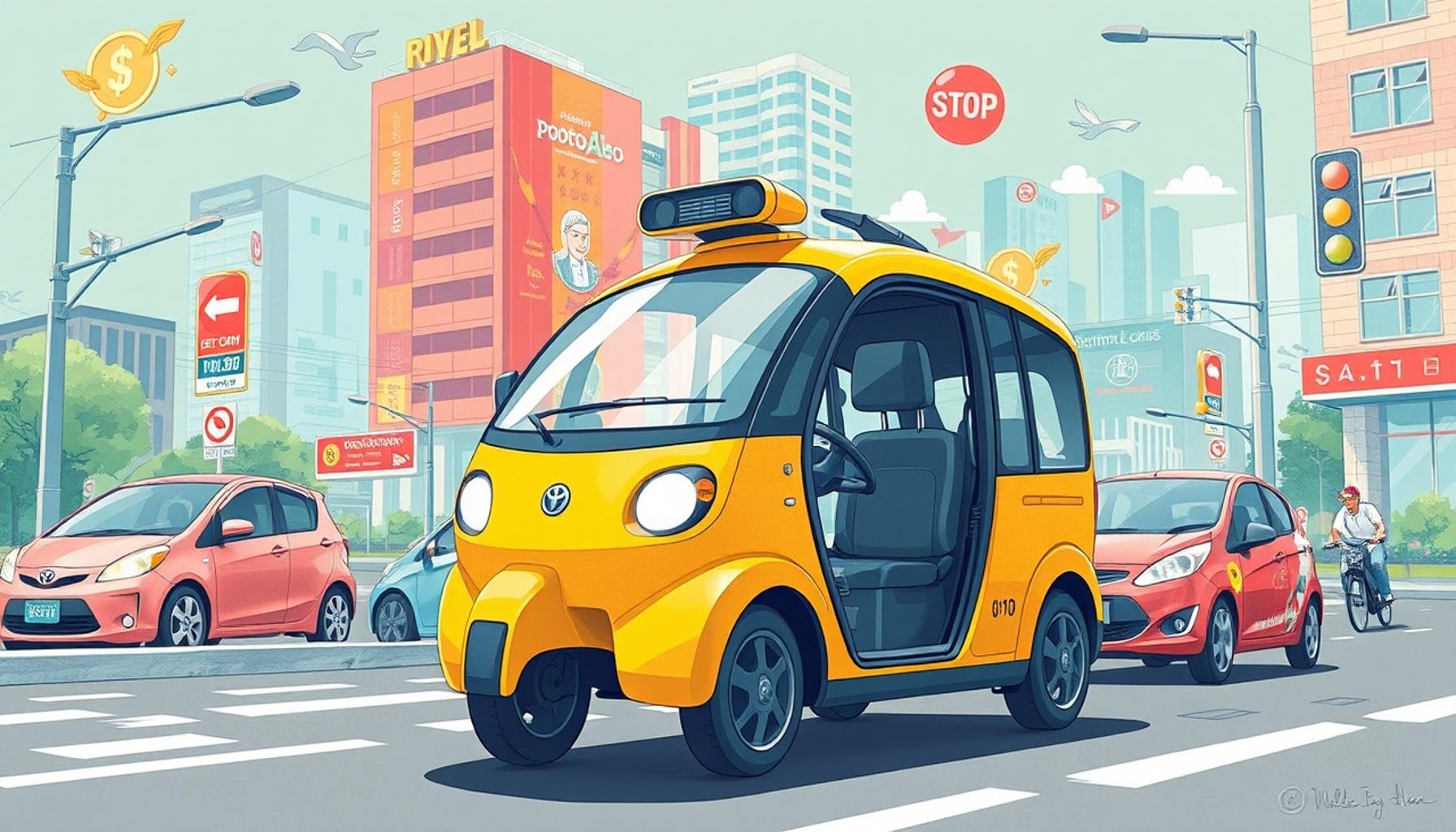
Understanding the Impact of Autonomous Vehicles on Urban Transportation
The rise of autonomous vehicles represents a significant transformation in urban transportation paradigms. These self-driving cars not only promise enhanced safety and improved traffic efficiency but also highlight pressing considerations regarding technological dependency and integration into society. As we delve into this discussion, it’s essential to understand how these advancements can reshape our urban landscapes.
Safety Improvements
One of the most compelling arguments in favor of autonomous vehicles is their potential to dramatically enhance road safety. According to the National Highway Traffic Safety Administration, human error is responsible for roughly 94% of crashes on American roads. By removing the human element from driving, autonomous vehicles can potentially minimize accidents caused by factors such as distraction, fatigue, and impaired judgment. For instance, companies like Waymo and Tesla are investing heavily in developing advanced driving systems that leverage artificial intelligence and machine learning to navigate roads, recognize hazards, and make split-second decisions that a human might struggle to execute.
Traffic Efficiency
Autonomous vehicles can also optimize traffic efficiency. Equipped with vehicle-to-vehicle (V2V) communication systems, these cars can share data with each other in real-time, allowing for smoother traffic flow. This capability can lead to a reduction in traffic congestion and shorter commute times for urban dwellers. For example, a study by the American Association of State Highway and Transportation Officials found that fully autonomous vehicle fleets in cities could reduce vehicle miles traveled by approximately 90%, alleviating congested roadways and improving air quality.
Accessibility
In addition, autonomous vehicles have the potential to revolutionize accessibility for underserved populations, such as the elderly or individuals with disabilities. These vehicles can provide on-demand transport solutions that could empower users who may otherwise struggle with traditional public transport systems. Imagine an 80-year-old who no longer drives being able to summon a self-driving car to attend social events or medical appointments without relying on family members. This level of independence can significantly enhance their quality of life and reduce feelings of isolation.
Challenges Ahead
Despite the numerous benefits, several significant challenges must be addressed before widespread implementation can occur. Regulatory hurdles pose one of the most pressing issues. Governments will need to establish comprehensive laws and regulations concerning the operation, safety standards, and liability of autonomous vehicles on public roads. Currently, various states in the U.S. are experimenting with different regulatory frameworks, leading to a patchwork of rules that can create confusion among manufacturers and operators.
Technology reliability also remains a significant concern. The risk of software bugs or cybersecurity breaches necessitates a robust framework for testing and securing these systems. For instance, in early tests of autonomous technology, some vehicles experienced unexpected malfunctions in complex traffic situations, which highlighted the need for ongoing software updates and the development of fail-safe protocols.
Lastly, public acceptance is crucial for the successful integration of autonomous vehicles into society. Many individuals have concerns about the safety and reliability of self-driving technology, often stemming from high-profile incidents involving autonomous vehicles. Educating the public about the technology and demonstrating its benefits could help build the trust necessary for widespread adoption.
By carefully examining these aspects, we can better appreciate the multifaceted impact of autonomous vehicles on urban transport, understanding their potential to create more efficient, safer, and accessible cities in the future.
DIVE DEEPER: Click here to learn how to enhance your budget
Opportunities Presented by Autonomous Vehicles
As urban areas grapple with increasing population densities and surging traffic congestion, the advent of autonomous vehicles (AVs) provides promising solutions. These innovations are set to reshape not only how we move but also how cities are structured. The transition to self-driving cars introduces a range of opportunities that can enhance the overall urban transport experience.
Environmental Sustainability
One of the critical benefits of autonomous vehicles lies in their potential contribution to environmental sustainability. Autonomous electric vehicles (AEVs) can significantly reduce greenhouse gas emissions, particularly if they are integrated into public transportation systems. By employing efficient driving patterns and optimizing routes, AEVs can minimize energy consumption. A research study by the National Renewable Energy Laboratory reveals that AEVs can reduce energy use in urban environments by approximately 60% compared to traditional gasoline-powered vehicles. This shift could help cities meet environmental goals and reduce air pollution, making urban living healthier for all residents.
Redesigning Urban Infrastructure
The widespread adoption of autonomous vehicles could lead to a fundamental redesign of urban infrastructure. With fewer parking spaces required due to car-sharing and ride-hailing services, cities can repurpose these areas for parks, pedestrian walkways, and cycling lanes. This could encourage more community-focused environments, enhancing livability and social interaction among residents. Moreover, as AVs are integrated into existing public transport systems, transit hubs can become consolidation points for various modes of transport, such as buses, bikes, and scooters, streamlining urban mobility.
Economic Growth and Job Creation
The rise of autonomous vehicles also has the potential to spur economic growth and create new job opportunities. As the demand for technological development in AV systems increases, innovative startups and established companies alike will seek skilled labor in engineering, data science, and cybersecurity. According to the Brookings Institution, the autonomous vehicle sector could create nearly 100,000 new jobs by 2030 in the United States. This growth in the workforce can stimulate economic activity and improve regional job markets, particularly in technology-driven urban centers.
Enhanced Mobility Options
With autonomous vehicles, the concept of mobility as a service (MaaS) becomes more feasible, offering users a diverse range of transport options. AVs can be integrated into smartphone applications that allow users to plan their journeys seamlessly, combining public transit, AV rides, and personal vehicles. Such connectivity can help address issues such as last-mile connectivity, which often remains a barrier for public transport users. The growth of AV options can also encourage carpooling, leading to reduced traffic congestion and lower overall transportation costs for individuals.
As we explore these opportunities further, it becomes evident that the integration of autonomous vehicles into urban transport presents significant potential to improve our cities. However, realizing these benefits will require addressing the associated challenges to ensure a smooth transition that prioritizes safety and inclusivity for all urban residents.
DISCOVER MORE: Click here to learn about financial education’s role in wealth growth
Challenges Posed by Autonomous Vehicles
While the promise of autonomous vehicles (AVs) is vast, they also bring forth a series of challenges that must be addressed to ensure a successful integration into urban transport systems. Understanding these challenges is crucial for policymakers, city planners, and the general public alike, as they impact the pace and effectiveness of AV adoption.
Regulatory Frameworks and Public Safety
One of the foremost challenges is the need for comprehensive regulatory frameworks governing the use of autonomous vehicles. The current traffic laws were developed with human-driven vehicles in mind and may not adequately cover the complexities introduced by AV technology. For instance, issues regarding liability in the event of an accident involving an AV remain somewhat ambiguous. Is it the manufacturer, the software developer, or the owner of the vehicle who is liable? Establishing clear regulations is paramount to guide the safe deployment of AVs on public roads.
Technological Limitations and Reliability
Technological advancements have come a long way, yet AVs still face challenges related to reliability and safety. For example, current algorithms can struggle in adverse weather conditions like heavy rain or snow, which can impair the sensors responsible for navigation. Moreover, while advances in artificial intelligence allow for impressive obstacle recognition, scenarios such as unpredictable pedestrian behavior or complex urban environments can pose difficulties. Ensuring that AVs can operate safely and effectively under all conditions is crucial for public acceptance and trust.
Public Perception and Acceptance
The success of AVs also hinges on public perception and acceptance. Many individuals are inherently cautious about the idea of relinquishing control to a machine, particularly when it comes to something as critical as transportation. According to a 2021 study by the American Automobile Association, only 10% of Americans feel comfortable riding in a fully autonomous vehicle. Building trust through education and demonstrative examples will be key to overcoming skepticism. This requires engaging communities in discussions about safety measures, reliability, and the technological advancements that empower AVs.
Equity and Accessibility Concerns
As cities consider the implications of integrating AVs, equity and accessibility must remain at the forefront. There is a risk that AV technologies might primarily benefit affluent urban residents while exacerbating existing inequalities for lower-income populations, who may lack access to the necessary resources or knowledge to utilize these services effectively. Ideally, AV initiatives should be designed to prioritize inclusivity, ensuring that all residents, regardless of socioeconomic status, can enjoy the advantages of autonomous transport. Such strategies might include subsidized AV services for underserved communities as part of a larger public transportation network.
Cybersecurity Threats
Lastly, cybersecurity poses a critical challenge to the infrastructure that supports autonomous vehicles. As vehicles become increasingly connected, they are also vulnerable to hacking and cyber threats. A successful breach could lead to catastrophic consequences, potentially putting the lives of passengers and pedestrians at risk. Prioritizing cybersecurity in the development of AV technologies is essential to safeguarding public trust and maintaining the integrity of urban transport systems.
In light of these challenges, a multi-faceted approach that combines technological advancements, public engagement strategies, and robust regulatory frameworks is essential. As stakeholders work together to tackle these issues, the goal remains clear: to harness the transformative potential of autonomous vehicles for the benefit of all urban residents.
DISCOVER MORE: Click here to find out how to score free clothes on Shein!
Conclusion
The evolution of autonomous vehicles represents a pivotal transformation in urban transport, promising to enhance mobility, reduce traffic congestion, and potentially lower carbon emissions. However, as we have explored, significant challenges must be confronted to realize these benefits. From the establishment of regulatory frameworks that clearly outline liability and safety standards, to addressing the technological hurdles that compromise reliability, each aspect requires thoughtful consideration and concerted efforts from policymakers, developers, and the general public.
Moreover, fostering public acceptance of AVs is essential. As skepticism remains prevalent, especially among American consumers, proactive education and community engagement can help demystify the technology and build necessary trust. At the same time, it is crucial to address equity and accessibility concerns, ensuring that AV services do not reinforce existing disparities but instead serve all demographics, especially marginalized communities. Furthermore, with increasing connectivity comes the pressing need to prioritize cybersecurity, safeguarding both passengers and urban infrastructure from potential threats.
In navigating these challenges, the opportunities for improvement in urban mobility are immense. By developing a comprehensive strategy that combines innovation with inclusivity and safety, cities can leverage the full potential of autonomous vehicles. Ultimately, the shift towards AV integration could redefine transportation systems, creating safer, more efficient, and equitable urban environments for future generations.

Linda Carter
Linda Carter is a writer and expert known for producing clear, engaging, and easy-to-understand content. With solid experience guiding people in achieving their goals, she shares valuable insights and practical guidance. Her mission is to support readers in making informed choices and achieving significant progress.