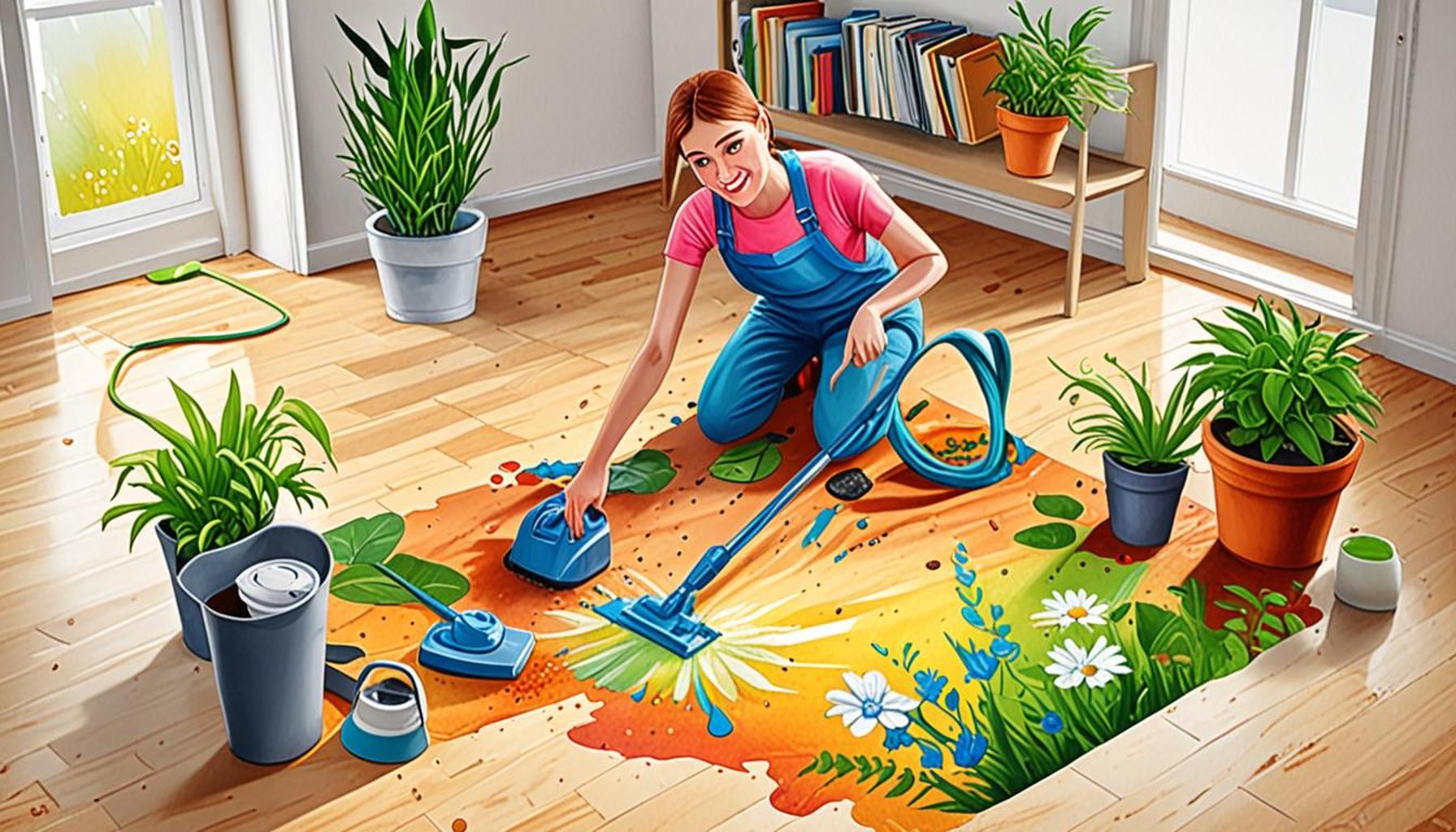
The Importance of Regular Floor Maintenance for Your Family’s Health
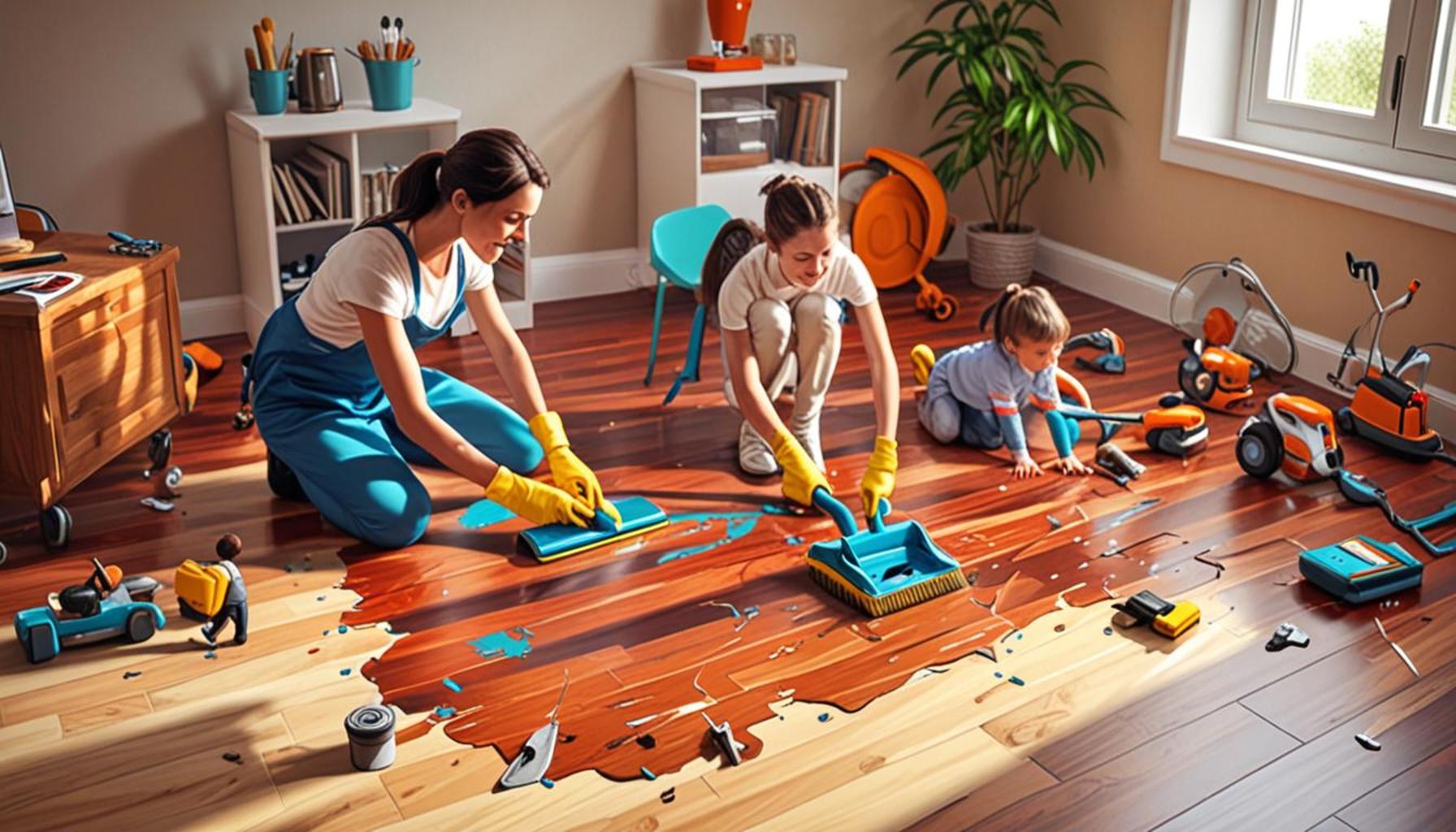
The Importance of Regular Floor Maintenance
Every home harbors potential health risks, often lurking beneath your feet. The floor, an essential part of daily life, can be a breeding ground for harmful bacteria and allergens if not properly maintained. Regular floor maintenance is not just a matter of aesthetics; it significantly impacts the health and safety of your household.
One of the primary benefits of regular floor maintenance is the reduction of allergens. In many homes, dust, pet dander, and mold can accumulate and create an unhealthy indoor environment. For instance, in regions of Nigeria with considerable humidity, mold growth can develop swiftly, especially on porous materials such as wood. Regular sweeping, vacuuming, and mopping can significantly mitigate these issues. Investing in high-efficiency particulate air (HEPA) filters for vacuums can further reduce airborne allergens, ensuring that your living space remains clean and safe.
Preventing slips and falls is another critical aspect of floor maintenance. High-traffic areas, such as hallways and kitchens, can become slick, particularly during the rainy season. A simple checklist that includes checking for wear on rugs, ensuring carpets are properly tacked down, and fixing any uneven floorboards can help diminish risks. Simple solutions like adding non-slip mats in areas prone to moisture can also enhance safety, allowing families to move freely without fear of accidents.
Furthermore, extending the longevity of your flooring is essential for financial planning. Floors can comprise a significant investment in any home, whether they are tile, hardwood, or carpet. Regular maintenance, including polishing hardwood floors or sealing grout in tiles, not only maintains appearance but also protects against damage that could necessitate costly repairs or replacements. In the long run, conscientious upkeep can be more economical, reducing the need for premature renovations.
In Nigeria, environmental factors like humidity and dust amplify the importance of adhering to a strict floor maintenance routine. For example, brownouts or infectious weather patterns can turn a clean home into a dust bowl overnight. Therefore, making it a habit to check for signs of wear, mold, or excessive dust can transform your home into a sanctuary of health rather than a source of illness.
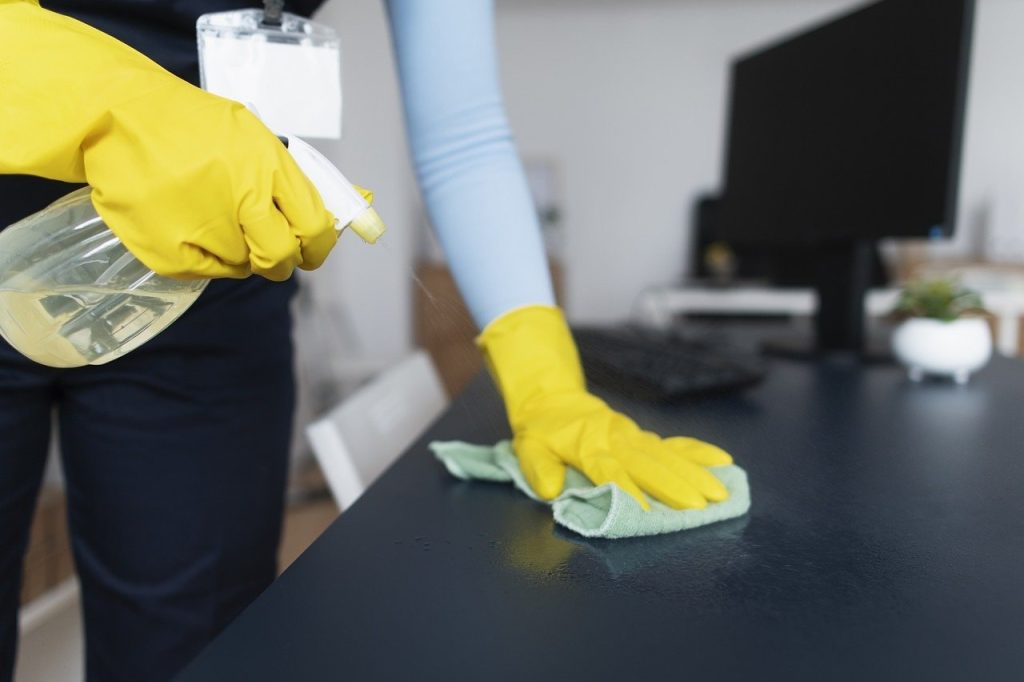
Taking proactive measures can transform your floors from potential health risks into a protective foundation for your family’s well-being. Discover the simple steps, such as incorporating routine deep cleans, using appropriate cleaning products tailored to your flooring material, and scheduling seasonal inspections, to maintain your floors effectively. By fostering a healthier home environment, you protect not only your investment but also the health of those you love.
CHECK OUT: Click here to explore more
Why Floor Maintenance is Crucial for Health and Well-being
When discussing home health, floor maintenance often flies under the radar. Yet, it plays a pivotal role in promoting a healthy indoor environment, especially in a country like Nigeria where environmental conditions can challenge the cleanliness of our living spaces. Regular attention to your floors does more than just keep your home looking good; it protects your family from various health hazards.
The accumulation of dirt, grime, and other pollutants on floors can lead to a host of problems. Without routine cleaning, floors become a hotspot for bacteria and germs that thrive in damp or dusty areas. In fact, research has shown that an unclean floor can harbor more germs than a toilet seat! This is particularly concerning for families with small children or pets, who are often more susceptible to illnesses stemming from exposure to such bacteria. Keeping your floors clean is essential in limiting the likelihood of infections and promoting a healthier home.
Health risks associated with unkempt floors include:
- Respiratory Issues: Dust and dander settle on floors, and when disturbed, they can become airborne, aggravating allergies and asthma.
- Infections: Bacteria and viruses can linger on dirty surfaces, making the entire household vulnerable to illness.
- Mold Growth: High humidity levels, common in several Nigerian regions, can lead to mold buildup on floors, which poses serious respiratory risks.
Incorporating a rigorous maintenance routine can significantly minimize these risks. Vacuuming your floors at least once a week, using a damp mop regularly, and ensuring prompt attention to spills and moisture can help in reducing the microorganisms that potentially threaten health. Furthermore, using the right cleaning solutions is equally important; natural anti-bacterial agents like vinegar or lemon can be effective without introducing harmful chemicals into your home.
Consider establishing a seasonal maintenance schedule to stay ahead of potential issues. This could include deep cleaning carpets, polishing hardwood floors, or checking the condition of grout in tiled areas. By doing so, you can not only enhance the look of your floors but also extend their lifespan, ultimately protecting your investment while ensuring a healthier living space.
Moreover, understanding the specific needs of your flooring type is essential for effective maintenance. For example, ceramic tiles might require different cleaning techniques compared to hardwood or laminate floors. Tailoring your approach based on the materials in your home can optimize not just the maintenance process but also its effectiveness in safeguarding your family’s health.
In conclusion, the act of maintaining your floors might appear mundane, yet it is an integral part of fostering a healthy home environment. With the right practices in place, you can transform your home from a source of potential health risks into a safe haven for your loved ones. The impact of regular floor maintenance extends beyond aesthetics; it significantly contributes to your family’s overall well-being.
| Advantage | Explanation |
|---|---|
| Improved Indoor Air Quality | Regular floor maintenance helps reduce dust, allergens, and pathogens, leading to fresher air. |
| Safety Hazard Reduction | Well-maintained floors prevent slips, trips, and falls, minimizing injury risks for your family. |
| Extends Lifespan of Flooring | Regular cleaning and maintenance enhance the longevity of your flooring, making it a durable investment. |
| Enhanced Aesthetics | Consistent upkeep keeps your floors looking fresh and appealing, contributing to a welcoming home environment. |
Regular floor maintenance isn’t just about aesthetics; it plays a critical role in safeguarding your family’s health. With each step in your home, the importance of minimizing dust accumulation and preventing slips becomes clear. Proper maintenance routines, including thorough cleaning, not only bolster indoor air quality, reducing allergy triggers but also create a safer environment, mitigating the risks of injuries from unfortunate accidents. Moreover, this diligence prolongs the life of your flooring, making it a wise investment. By understanding these compelling advantages, you’ll find that regular maintenance is essential for ensuring your family’s well-being.
ADDITIONAL INSIGHTS: Expand your understanding here
Enhancing Indoor Air Quality Through Floor Maintenance
The relationship between floor maintenance and indoor air quality is often overlooked, yet it is crucial for a healthy living environment. Poor air quality can lead to a myriad of health issues, including headaches, fatigue, and respiratory complaints. In Nigeria, where urban pollution can often infiltrate homes, maintaining clean floors becomes even more essential in reducing airborne contaminants. These contaminants can include dust, dirt, pet dander, and even fungal spores that settle on the floors and get disturbed by daily activities.
Studies show that maintaining clean floors can significantly improve air quality. Surfaces that are regularly swept, vacuumed, and mopped reduce the accumulation of allergens. Floors made of materials like tiles or laminate don’t harbor dust mites as effectively as carpets do, but they still require routine maintenance to ensure they do not contribute to dust circulation. Families should consider implementing a systematic cleaning schedule that aligns with their lifestyles and the traffic their floors experience daily.
Regular vacuuming and cleaning helps:
- Reduce Allergen Levels: By removing dust and other allergens from your floors, you create a healthier living space, particularly beneficial for children and sensitive individuals.
- Minimize Odors: Dirt and debris trapped in your flooring can lead to unpleasant odors over time, affecting the overall freshness of your indoor air.
- Prevent Pest Infestations: Insects like cockroaches thrive in dirty environments. Regular cleaning deters pest congregations that can pose health risks to your family.
Investing in Home Air Quality Tools can further enhance your family’s health and well-being. Air purifiers, particularly those with HEPA filters, can effectively capture airborne particles, working in tandem with regular floor maintenance to create a cleaner climate. These tools excel in trapping microscopic particles that may go unnoticed but can still affect your family’s health.
Financial Implications of Neglecting Floor Care
It is vital to recognize that regular floor maintenance is not merely an aesthetic choice; it is also a financial investment. In Nigeria, where harsh weather conditions can wear down various flooring materials, neglecting proper care can lead to early deterioration and costly replacements. For example, moisture layers caused by neglect can warp wooden floors, requiring expensive repairs or replacement.
Costly implications from poor maintenance:
- Increased Repair Bills: Cracked tiles or warped wood require immediate attention. Neglecting these issues can lead to larger, more expensive problems down the line.
- Decreased Property Value: A well-maintained floor not only adds to the aesthetic appeal of a home, but it also plays an essential role in preserving the overall value of your property. Prospective buyers often assess the condition of flooring before making an offer.
- Long-term Health Expenses: By ignoring the health aspects associated with dirty floors, families may end up spending more on medical bills due to illnesses stemming from poor indoor air quality.
Ultimately, the importance of regular floor maintenance extends well beyond hygiene; it is intertwined with the air you breathe, your home’s longevity, and your family’s financial well-being. The effort put into caring for your floors echoes into many areas of your life, making it a necessary commitment for every household.
RECOMMENDED: Check out this similar article
Conclusion: A Holistic Approach to Family Health Begins Underfoot
In summary, the importance of regular floor maintenance cannot be overstated when it comes to safeguarding your family’s health and well-being. Clean floors are integral to enhancing indoor air quality, reducing allergens, minimizing unpleasant odors, and ensuring a pest-free environment. The direct link between what lies beneath your feet and your family’s health emphasizes the need for consistent and thorough cleaning practices. Regular upkeep not only protects against common allergens but also fosters a more inviting and pleasant living space, particularly vital in bustling urban settings like Nigeria where external pollutants often penetrate interiors.
Moreover, the financial implications of neglecting floor care are significant. Investing time and resources into proper floor maintenance can prevent costly repairs and enhance your property’s value, making it an indispensable part of homeownership. Neglecting this aspect could lead to larger health expenses down the line as well, particularly for vulnerable family members at risk of respiratory ailments.
In an era where sustainability and health are paramount, incorporating routine floor maintenance into your household chores is a proactive step toward creating a healthier environment. As you strive to protect the well-being of your loved ones, remember that the journey to a healthier home starts beneath your feet – a simple yet vital cornerstone of family health that merits your attention and investment.

Linda Carter
Linda Carter is a home organization writer and cleaning efficiency specialist who helps households maintain spotless spaces with minimal effort. With extensive experience developing smart cleaning systems and preventive maintenance routines, she shares practical strategies on our platform for streamlining chores and preserving home value. Her goal is to empower homeowners with time-saving techniques and proactive care strategies to create cleaner, healthier, and more manageable living environments.