The Influence of Weather Conditions on Gutter Maintenance: What You Need to Know
The Importance of Weather in Gutter Maintenance
The impact of weather conditions on gutter maintenance is often overlooked yet crucial. In Nigeria, the erratic climate—from the drenching rains to the scorching sun—plays a significant role in how well your gutters function. The country experiences distinct wet and dry seasons, and understanding this influence can help prevent costly damages to homes and infrastructure.
Gutters are an essential part of your home’s drainage system, designed to channel rainwater away from your roof and foundation. However, weather directly affects their effectiveness and integrity. Here are a few weather-related factors to consider that can greatly affect gutter maintenance:
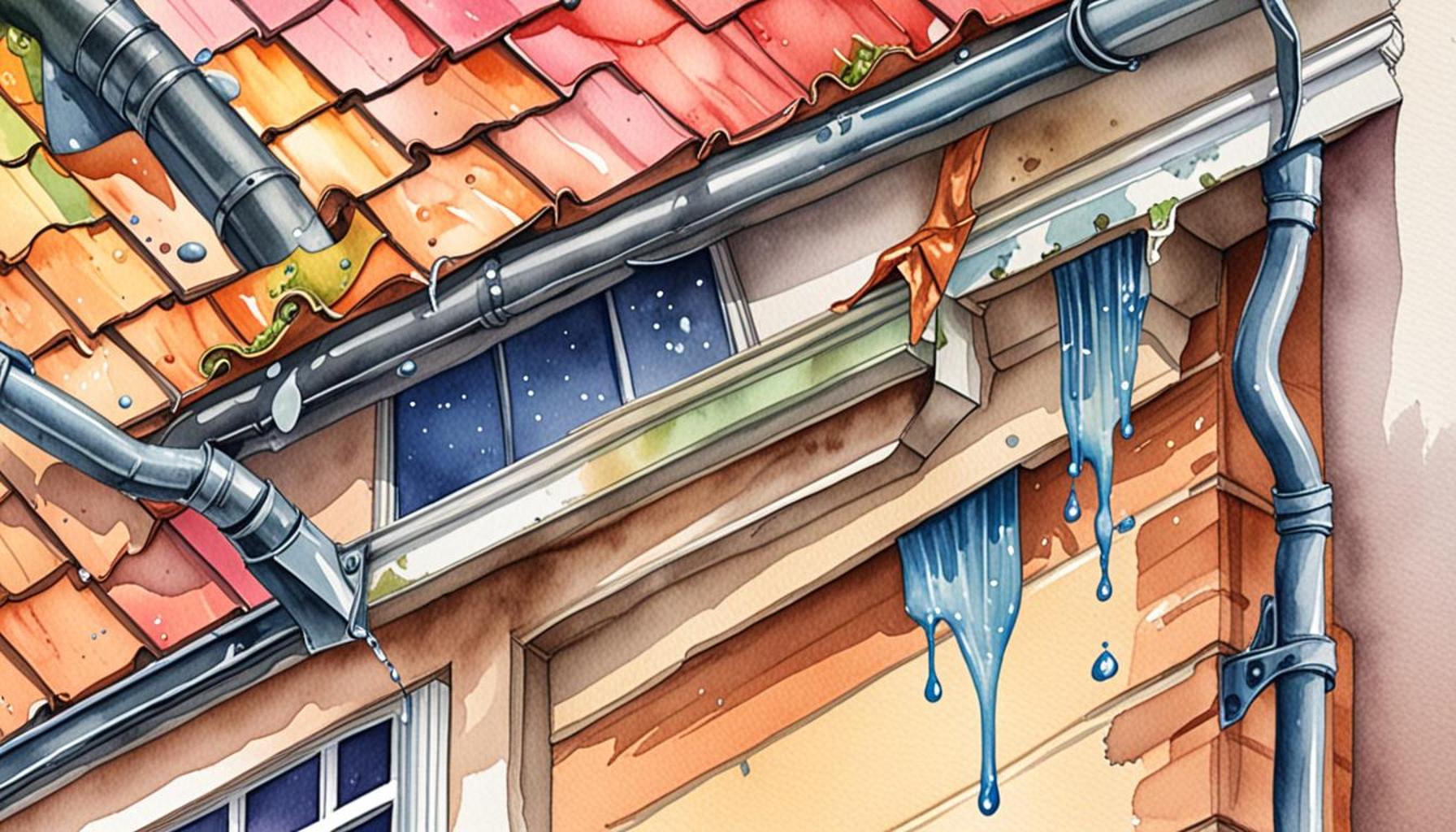
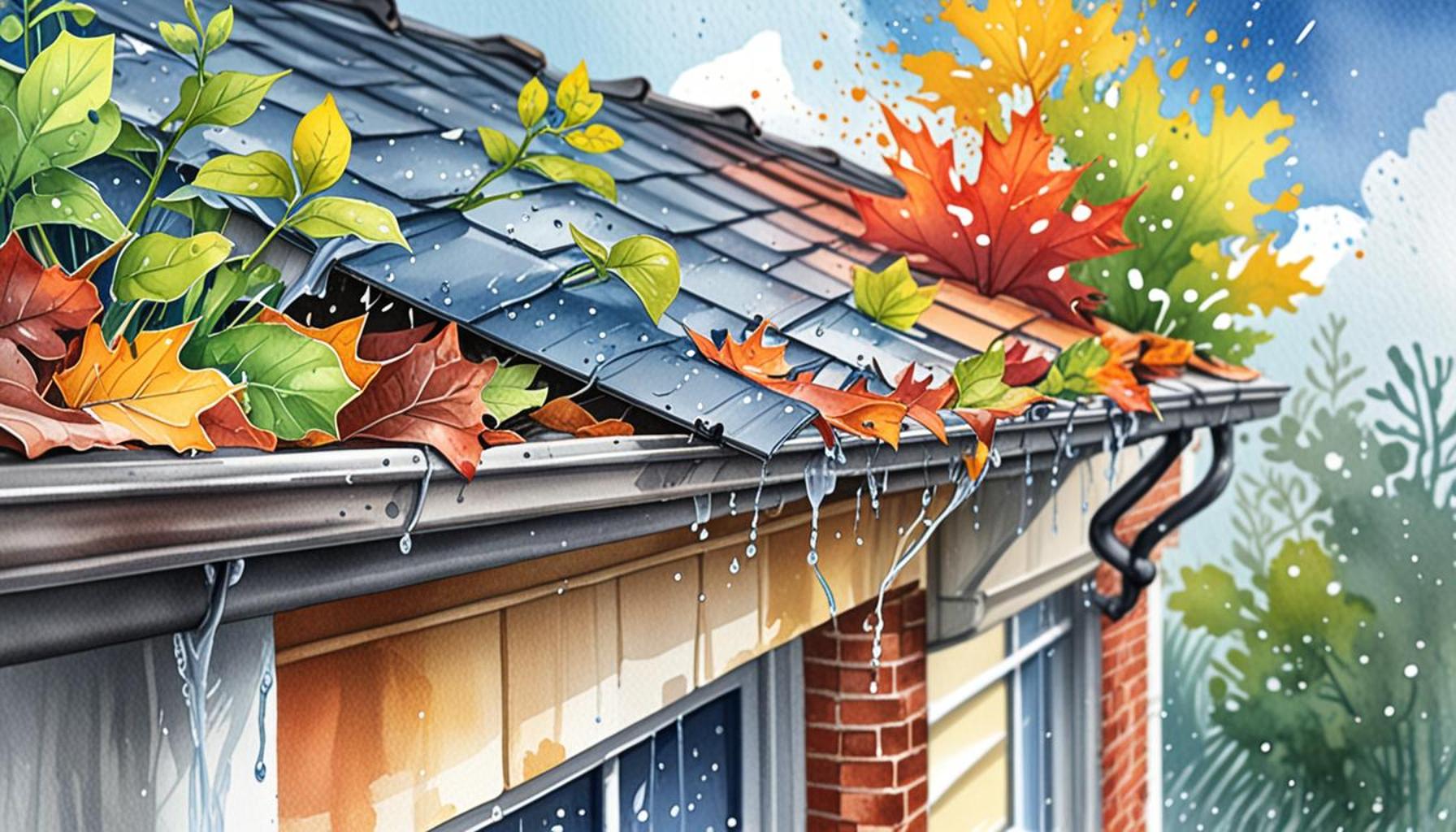
- Heavy Rainfall: In regions of Nigeria, such as Lagos and Port Harcourt, heavy rainfall is common, particularly during the rainy season. Persistent downpours can overwhelm gutter systems, leading to flooding and increased debris accumulation. When gutters become clogged with leaves, twigs, or even trash, water can back up, causing leaks and potential water damage to your roof and walls.
- Dry Seasons: The dry season, as experienced in parts of the country like the northern states, may cause gutter materials to suffer from dryness and brittleness. Prolonged exposure to the sun can lead to cracks and degradation of materials such as plastic or wood, ultimately compromising the gutter’s structural integrity. Regular inspections during the dry season are crucial to identify any early signs of wear and tear.
- Windstorms: Windstorms, common in many Nigerian regions, can exert significant pressure on gutter systems. Strong gusts can dislodge gutters from roofs, leading to misalignment or complete detachment. This not only disrupts proper water drainage but can also put additional stress on the roofing structure, leading to further housing issues.
Neglecting to maintain gutters according to seasonal changes can lead to serious problems, including extensive water damage, mold growth, and foundational issues. It’s essential to schedule regular maintenance checks, especially after heavy rainfalls or windy conditions, to ensure that your gutters are functioning properly.
In conclusion, understanding how weather patterns affect gutter upkeep can save homeowners significant time and money. It’s crucial to adapt your gutter maintenance strategies as seasons change. Stay tuned as we dive into essential tips and practices for gutter care, ensuring your home remains safe and secure despite unpredictable weather in Nigeria.
ADDITIONAL INSIGHTS: Expand your understanding here
Understanding Gutter Vulnerabilities During Different Seasons
Gutters are often seen as an afterthought when it comes to home maintenance, yet they play a crucial role in safeguarding your property from potential damage, especially in a country like Nigeria where weather conditions fluctuate dramatically. As most homeowners know, gutters must effectively manage the flow of rainwater; however, the failure to adapt maintenance practices according to the weather can lead to unnecessary problems. The relationship between gutters and the weather goes beyond merely handling rainfall; it also involves understanding how various climatic factors can compromise gutter efficiency and lifespan.
The first step to effective gutter maintenance is recognizing how each season in Nigeria uniquely affects them:
- Humidity and Rain: During the rainy season, moisture levels rise significantly, particularly in coastal areas or places like the Niger Delta. This high humidity fosters the growth of mold and mildew in gutters, leading to blockages that can wreak havoc on drainage systems. Homeowners should be vigilant in cleaning out gutters post-rain, as the accumulation of debris can easily trap water, causing overflow and possible damage to roofs or walls.
- Dust and Debris Build-up: In the dry season, the lack of rainfall does not equate to a lack of maintenance needs. Dry winds often blow dust and debris into gutters, leading to a buildup that can impede water flow when the rains return. Regularly inspecting and cleaning gutters during these dry months is essential for preventing future issues, including rusting and the degradation of material.
- Thermal Expansion and Contraction: The varying temperatures in Nigeria, especially between the dry and wet seasons, can cause materials used for gutters—be it aluminum, vinyl, or wood—to expand and contract. This fluctuation can lead to severe wear over time, causing joints to become loose or even break. Homeowners should consider investing in high-quality, weather-resistant gutter materials that withstand seasonal temperature changes.
- Flooding Risks: Areas prone to heavy rainfall face the risk of flooding, which directly correlates to how well gutters perform. When gutters are clogged or improperly positioned, they can funnel excess water toward the foundation rather than away from it, leading to severe structural issues. This is particularly critical in places like Lagos, where inadequate drainage can lead to extensive property damage.
By understanding these vulnerabilities and their seasonal implications, homeowners can take proactive measures to maintain their gutter systems effectively. Ignoring the effects of weather can lead to not only costly repairs but also a decrease in the overall value of your home. The key is to remain alert and responsive to changing conditions, making gutter maintenance a priority throughout the year. Effective strategies such as scheduling inspections after storms and performing regular cleanings can go a long way in extending the life of your gutter system and ensuring peace of mind against unpredictable weather conditions.
| Weather Condition | Impact on Gutter Maintenance |
|---|---|
| Heavy Rainfall | Increases debris accumulation leading to clogs and overflow. |
| Snow and Ice | Can cause ice dams, leading to water backup and potential roof damage. |
| Dry Seasons | Fosters dust and debris buildup, making regular maintenance essential. |
| Windy Conditions | Branches and leaves are displaced, clogging gutters and downspouts. |
The effects of various weather conditions on gutter maintenance are profound, particularly during seasonal transitions. For example, heavy rainfall not only leads to a surge in water flow but also accelerates the accumulation of leaves and debris that create potential blocks. Understanding these impacts is crucial, especially for homeowners who wish to prevent costly repairs.In winter months, snow and ice can create a significant challenge by forming ice dams, which hinder proper water runoff and can lead to severe roof leaks. During dry seasons, maintenance might be overlooked, but the reality is that dust, twigs, and small branches can hinder water flow just as much as leaves. Lastly, windy conditions can scatter branches and debris, which may subsequently clog gutter systems, urging homeowners to stay vigilant and perform regular checks to mitigate any risks associated with weather influences on gutter integrity.
YOU MAY ALSO LIKE: Read read another article
Weather-Driven Maintenance Practices for Optimal Gutter Performance
Recognizing the effects of seasonal weather conditions is the first step toward a comprehensive gutter maintenance routine. In Nigeria, where wet and dry seasons fluctuate dramatically, adapting maintenance practices to meet these changes is essential. Homeowners must focus on strategic actions during each season to enhance the performance and longevity of their gutters.
To fully leverage weather conditions for optimal gutter care, consider the following key practices:
- Seasonal Inspections: Regular inspections of gutters should be part of your maintenance checklist. Following heavy rains, inspect gutters for clogs, sagging sections, or areas where water leaks might occur. Engaging a professional or employing a DIY approach to visually assess gutters during the rainy season can prevent minor issues from escalating into costly repairs.
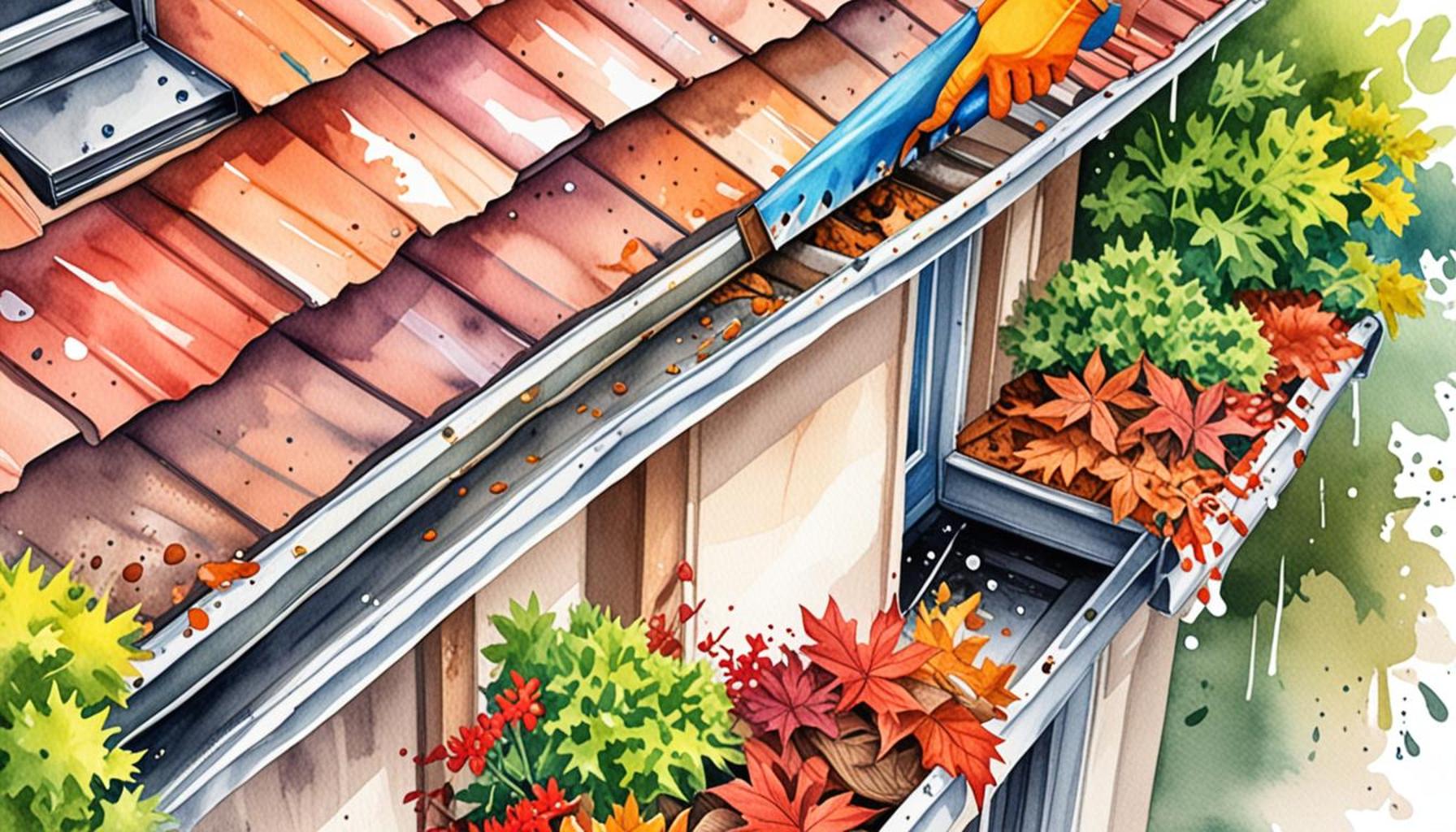
- Debris Clearance: After the dry season, especially in dusty regions, undertaking a thorough cleaning of gutters is vital. The accumulation of dirt, leaves, and sand can block water from flowing freely, leading to significant overload during rains. Regular cleaning—ideally every three months—can alleviate this risk, translating into efficient water drainage that protects your home’s foundation.
- Gutter Guards Installation: To minimize debris accumulation, homeowners should consider installing gutter guards. These barriers can prevent leaves and larger particles from entering the gutters while allowing water to flow freely. This investment proves particularly beneficial in areas with significant tree coverage, where leaf litter tends to pose ongoing maintenance challenges.
- Effective Downspout Management: Assessing the downspouts’ positioning and flow during the rainy season is critical. Downspouts should be directed at least three to five feet away from the foundation, minimizing the risk of structural damage and erosion. Homeowners can use extenders or splash blocks to guide water flow away from sensitive areas.
- Climate-Specific Materials: The materials used for gutters should be aligned with local environmental conditions. For instance, metal gutters can corrode in areas with higher humidity if not adequately treated, while vinyl gutters can become brittle under intense sunlight. Selecting materials optimized for Nigeria’s diverse climate is imperative to enhance longevity and reduce maintenance needs.
- Preparation for Extreme Weather: Seasonal storms can bring heavy rainfall, and it’s vital to prepare gutters accordingly. Homeowners should reinforce structures and ensure that gutters can endure intense conditions, specifically in flood-prone regions. Evaluating and upgrading gutter systems before the peak of the wet season can mitigate future catastrophes, allowing properties to withstand adverse weather.
Incorporating these weather-driven maintenance practices can significantly influence the performance, efficiency, and lifespan of your gutter system. Above all, awareness of the unique climatic patterns in Nigeria empowers homeowners to approach gutter care with informed insight. Streamlined maintenance routines that respond effectively to the challenges posed by seasonal changes will contribute to safeguarding your property and preserving its value.
ADDITIONAL INSIGHTS: Expand your understanding here
Conclusion: Navigating Gutter Maintenance in Varying Weather
In summary, understanding the influence of weather conditions on gutter maintenance is crucial for homeowners looking to protect their properties in Nigeria. By recognizing how seasonal shifts—from the heavy downpours of the rainy season to the dry, dusty months—affect your gutter system, you can adopt a proactive and effective maintenance strategy. Regular inspections and debris clearance not only enhance the efficiency of water drainage but also prolong the lifespan of your gutters, thereby safeguarding your home’s structure.
The implementation of additional measures such as gutter guards and climate-specific materials can optimize performance, while proper downspout management plays a vital role in directing water safely away from foundations. Moreover, preparing for extreme weather events, particularly in flood-prone areas, will mitigate damage and unexpected repair costs in the future.
Ultimately, the investment in a well-maintained gutter system is not merely about functionality, but about preserving the value of your home in the face of Nigeria’s diverse climatic challenges. By amalgamating practical knowledge with seasonal awareness, you empower yourself to navigate the complexities of gutter upkeep effectively. As you continue to discover more about gutter maintenance and its weather-related nuances, consider taking the necessary steps towards ensuring your home remains protected against the elements, now and in the years to come.

Linda Carter
Linda Carter is a home organization writer and cleaning efficiency specialist who helps households maintain spotless spaces with minimal effort. With extensive experience developing smart cleaning systems and preventive maintenance routines, she shares practical strategies on our platform for streamlining chores and preserving home value. Her goal is to empower homeowners with time-saving techniques and proactive care strategies to create cleaner, healthier, and more manageable living environments.