The relationship between plumbing maintenance and indoor air quality
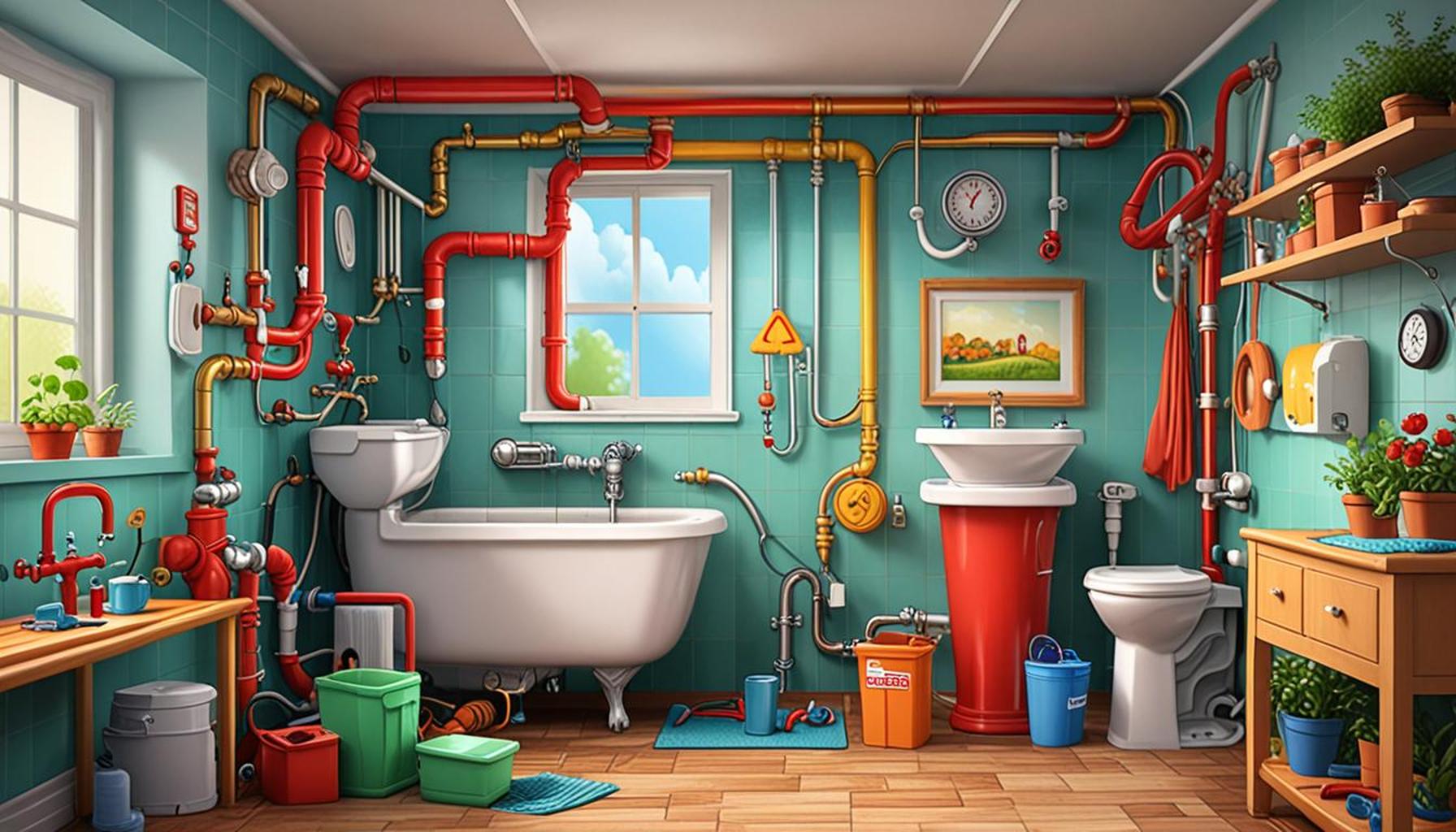
The Importance of Plumbing Maintenance in Your Home
Indoor air quality is often overlooked, yet it plays a crucial role in health and comfort. Many people are unaware that plumbing maintenance can significantly influence this aspect of their homes. This connection is especially vital in urban areas of Nigeria, where plumbing systems face unique challenges due to frequent power outages, varying water pressures, and sometimes inadequate infrastructure.
Regular Checks for Leaks
Hidden leaks can be insidious, often going unnoticed while wreaking havoc. These leaks create moist environments that are perfect breeding grounds for mold and mildew. Mold spores can easily become airborne, leading to respiratory problems, allergic reactions, and other health issues. To combat these risks, homeowners should schedule regular inspections of their plumbing systems, checking under sinks, around toilets, and in basements or crawl spaces. A simple dripping tap can turn into a significant leak over time, leading not only to air quality issues but also to an increase in water bills.
Clogged Drains and Breathability
Clogged drains are another plumbing issue that can directly impact air quality. Debris accumulation in pipes can produce unpleasant odors that permeate the home environment. More critically, stagnant water can promote the growth of harmful bacteria and other pathogens. Regular maintenance—such as having drains professionally cleaned or using enzymes to break down organic matter—is essential for keeping drains clear and ensuring better air quality. In cities where waste disposal issues may contribute to clogs, being proactive about plumbing maintenance becomes even more critical.
The Role of Ventilation Systems
Proper ventilation is reliant on functional plumbing systems to reduce indoor pollutants. Inadequate plumbing can obstruct the balance of air circulation, leading to a buildup of contaminants such as volatile organic compounds (VOCs), dust, and allergens. Modern homes increasingly integrate plumbing with ventilation systems to maintain indoor air quality. Ensuring that these interconnected systems work seamlessly requires regular checks and maintenance, emphasizing the need for a holistic approach to home care.
Understanding Risks and Solutions
Inadequate plumbing maintenance can lead to a suite of problems, including increased humidity and airborne toxins. These factors not only compromise the comfort of your living space but can also pose serious health risks. By understanding how to properly maintain your plumbing systems, you can significantly contribute to promoting a healthier indoor environment.
Discovering the intricate relationship between plumbing maintenance and indoor air quality can lead to meaningful improvements in your home. Many Nigerian residents may not readily connect these dots, making it crucial to bring these issues to light. Addressing plumbing issues not only leads to a more comfortable living space but can also enhance the overall health and well-being of your family. It’s worth the time to investigate further how these systems impact your daily life and find ways to ensure your plumbing contributes positively to your indoor air quality.
CHECK OUT: Click here to explore more
Connecting Plumbing Maintenance to Indoor Air Quality
To truly appreciate the impact of plumbing maintenance on indoor air quality, it’s essential to understand the various components of your plumbing system and how they interact with the rest of your home. The intricate web of pipes, fixtures, and drainage systems not only serves to carry water but also plays a significant role in maintaining a healthy indoor environment. The realities of plumbing systems in Nigeria, especially in urban areas, underscore the importance of diligent upkeep. Following are some key areas where effective plumbing maintenance can directly influence the quality of air you breathe in your home.
Impact of Humidity Control
One of the most critical ways plumbing maintenance affects indoor air quality is through humidity control. Excess moisture in the air can lead to a host of problems, beginning with discomfort and quickly escalating to serious health hazards such as mold growth. In climates where humidity levels are already high, as is the case in many parts of Nigeria, even minor leaks can lead to precarious conditions. Regularly checking plumbing fixtures for leaks and ensuring that systems like dehumidifiers and vents are operational can help mitigate this issue.
Ensuring Clean Water Supply
The quality of the water coming into your home also affects indoor air quality. Contaminated water can lead to unpleasant odors and harmful pollutants that become airborne. Regular maintenance of water supply lines, including checks for corrosion, rust, and sediment buildup, can prevent contaminants from infiltrating your home. Homeowners should consider scheduling annual assessments with professionals to ensure that their plumbing is free from potential issues. This proactive approach leads not just to cleaner air but also to a safer drinking water supply.
Regular Maintenance Tasks to Consider
Maintaining the plumbing system effectively requires a combination of vigilance and routine checks. Here are some tasks that homeowners should prioritize:
- Inspect for leaks beneath sinks and behind toilets.
- Clean out drains regularly to prevent clogs that can lead to air quality issues.
- Check water pressure to ensure it falls within the recommended range.
- Family education on what should and shouldn’t go down drains can minimize clog issues.
- Consider installing ventilation systems that work in tandem with plumbing systems.
By focusing on these maintenance tasks, homeowners can not only enhance their plumbing systems but also create a healthier living space. The financial implications of neglecting these tasks can often be more substantial than the costs associated with regular maintenance, as small problems may grow into extensive repairs.
The relationship between plumbing maintenance and indoor air quality is undeniable. By understanding this connection, Nigerian homeowners can take proactive steps in ensuring their well-being and comfort through effective home management practices. Investing your time and effort into properly maintaining your plumbing not only improves air quality but also promotes a sustainable living environment for you and your family.
| Category | Details |
|---|---|
| Routine Inspections | Regular plumbing checks can detect leaks, ensuring optimal air quality by preventing moisture accumulation. |
| Mold Prevention | Effective plumbing maintenance reduces humidity levels, which inhibit the growth of harmful mold and allergens. |
| Water Quality Management | Maintaining pipes and fixtures ensures the delivery of clean water, enhancing overall indoor air quality by reducing contaminants. |
| Energy Efficiency | Proper plumbing not only improves air quality but also reduces energy costs by allowing HVAC systems to function efficiently. |
The relationship between plumbing maintenance and indoor air quality extends beyond mere aesthetics. With regular plumbing upkeep, homeowners can mitigate potential risks associated with humidity, ensuring a healthier living environment. For instance, unchecked leaks can lead to the growth of moisture-loving mold, which not only affects walls and furnishings but also compromises the air we breathe. This connection between water leaks and indoor air quality emphasizes the need for periodic inspections. Homeowners who prioritize plumbing maintenance are investing in both their property and their health, significantly lowering the chances of airborne pollutants permeating their home. Furthermore, maintaining plumbing systems helps ensure contaminants don’t make their way into the drinking water supply, which can also degrade overall indoor air quality.By recognizing the intricate ties between effective plumbing and air quality, consumers can make informed decisions regarding their home maintenance, leading to a more comfortable and safer indoor environment.
CHECK OUT: Click here to explore more
Long-Term Effects of Plumbing Issues on Indoor Health
While immediate plumbing issues can disrupt daily life, the long-term effects of neglecting plumbing maintenance extend far beyond mere inconvenience. In homes where plumbing systems are not adequately cared for, a variety of indoor air quality problems can emerge, often going unnoticed until they have escalated into serious health issues. For instance, persistent leaks can create damp environments that harbor harmful bacteria and allergens, leading to respiratory problems, particularly in vulnerable individuals such as children and the elderly.
Role of Ventilation in Moisture Control
Ventilation plays a crucial role in managing indoor air quality, and plumbing maintenance directly influences the efficiency of ventilation systems. In many Nigerian homes, especially those with poorly maintained kitchens and bathrooms, stagnant air can trap moisture and pollutants. Ventilation systems must work effectively to eliminate excess humidity and contaminants; however, if plumbing issues, such as blocked vents or leaky pipes, compromise these systems, it can lead to serious air quality deterioration. Understanding how your plumbing interacts with these ventilation systems can encourage homeowners to take a more holistic approach to maintenance.
Risk of Gas Leaks
Another often-overlooked aspect of plumbing maintenance is its connection to potential gas leaks. Many homes utilize gas-powered water heaters and boilers that are connected to plumbing systems. If proper maintenance isn’t performed, it could lead to gas leaks, which not only compromise air quality but also pose significant safety risks. Regular inspections of gas connections, along with your plumbing fixtures, can mitigate these dangers and ensure that any leaks are detected and addressed promptly.
The Importance of Professional Inspections
While many homeowners may undertake routine plumbing checks, professional assessments are critical for uncovering hidden problems that may affect indoor air quality. Certified plumbers have the expertise to identify issues like poor drainage, pipe corrosion, or undetected leaks that a layman may overlook. This is particularly important in areas, such as Nigeria’s urban centers, where plumbing issues can become exacerbated by the age of the infrastructure and the increased pressure on pipelines from surrounding activities. Furthermore, professional assessments often include the evaluation of air filtration systems in conjunction with plumbing checks, creating a comprehensive maintenance plan.
Environmental Impact of Plumbing Choices
Moreover, the choices homeowners make regarding their plumbing systems have broader environmental implications that can indirectly affect indoor air quality. For example, the use of outdated, non-efficient plumbing fixtures can contribute to excessive water waste, exacerbating issues related to humidity levels indoors. Upgrading to modern fixtures that promote water conservation can significantly improve both home water efficiency and overall indoor air quality. A simple adjustment, such as installing low-flow faucets or water-saving toilets, can reduce humidity levels and enhance comfort without sacrificing performance.
In summary, the relationship between plumbing maintenance and indoor air quality is multifaceted, covering immediate as well as long-term health considerations. By staying vigilant about plumbing issues and their maintenance, homeowners can play an active role in ensuring a healthier living environment for themselves and their families, emphasizing that good health starts at home.
SEE ALSO: Click here to read another article
Conclusion
Understanding the intricate relationship between plumbing maintenance and indoor air quality is essential for fostering a safe and healthy living environment. As we’ve explored, neglected plumbing issues can lead to long-term health hazards, from dampness and mold growth to dangerous gas leaks. Homeowners in Nigeria must recognize that regular plumbing maintenance not only alleviates immediate inconveniences but also protects against chronic health risks that may silently take root over time.
Moreover, the role of ventilation cannot be overstated; effective airflow is crucial for mitigating indoor pollutants and excess moisture, both of which are worsened by plumbing failures. By adopting a comprehensive maintenance approach that includes the periodic inspection of plumbing fixtures and ventilation systems, residents can significantly enhance their indoor air quality.
Furthermore, making informed choices related to plumbing fixtures can yield both environmental benefits and improved indoor conditions. Investing in modern, water-saving appliances contributes to reduced humidity levels while promoting conservation, showcasing a direct link between responsible plumbing decisions and healthier homes.
Ultimately, a proactive stance on plumbing maintenance is vital. As health standards evolve and more research emerges about indoor air quality, homeowners are encouraged to seek out professional evaluations regularly. By doing so, they are not only safeguarding their homes but also nurturing the well-being of their families, laying the foundation for a healthier future.

Linda Carter
Linda Carter is a home organization writer and cleaning efficiency specialist who helps households maintain spotless spaces with minimal effort. With extensive experience developing smart cleaning systems and preventive maintenance routines, she shares practical strategies on our platform for streamlining chores and preserving home value. Her goal is to empower homeowners with time-saving techniques and proactive care strategies to create cleaner, healthier, and more manageable living environments.